John Peel was not entirely flattered. Told that a track on Mad Professor's new album carried his name, the DJ said it sounded like "a bunch of old washing machine parts being dragged around in a sack" — and then played it on his show anyway.
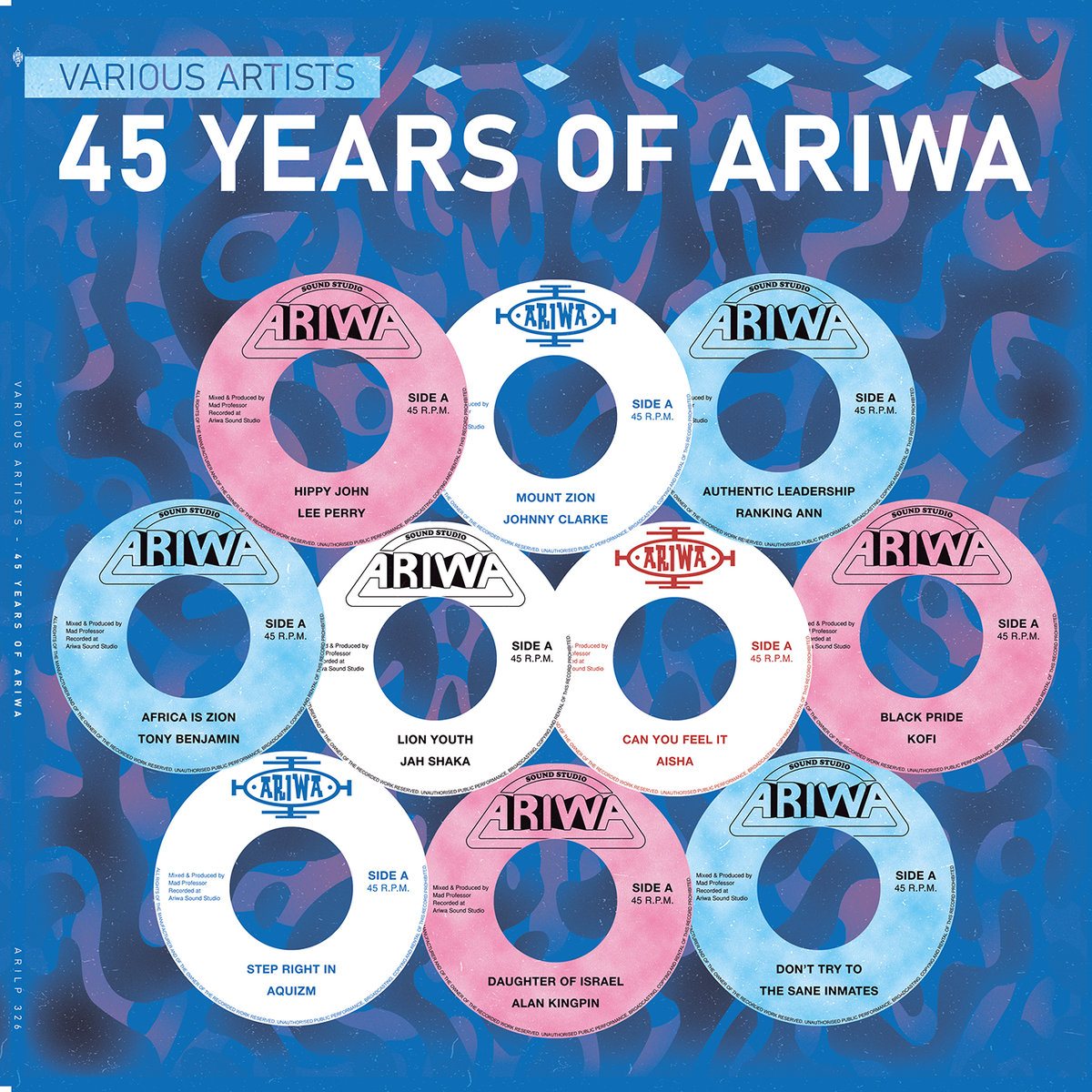
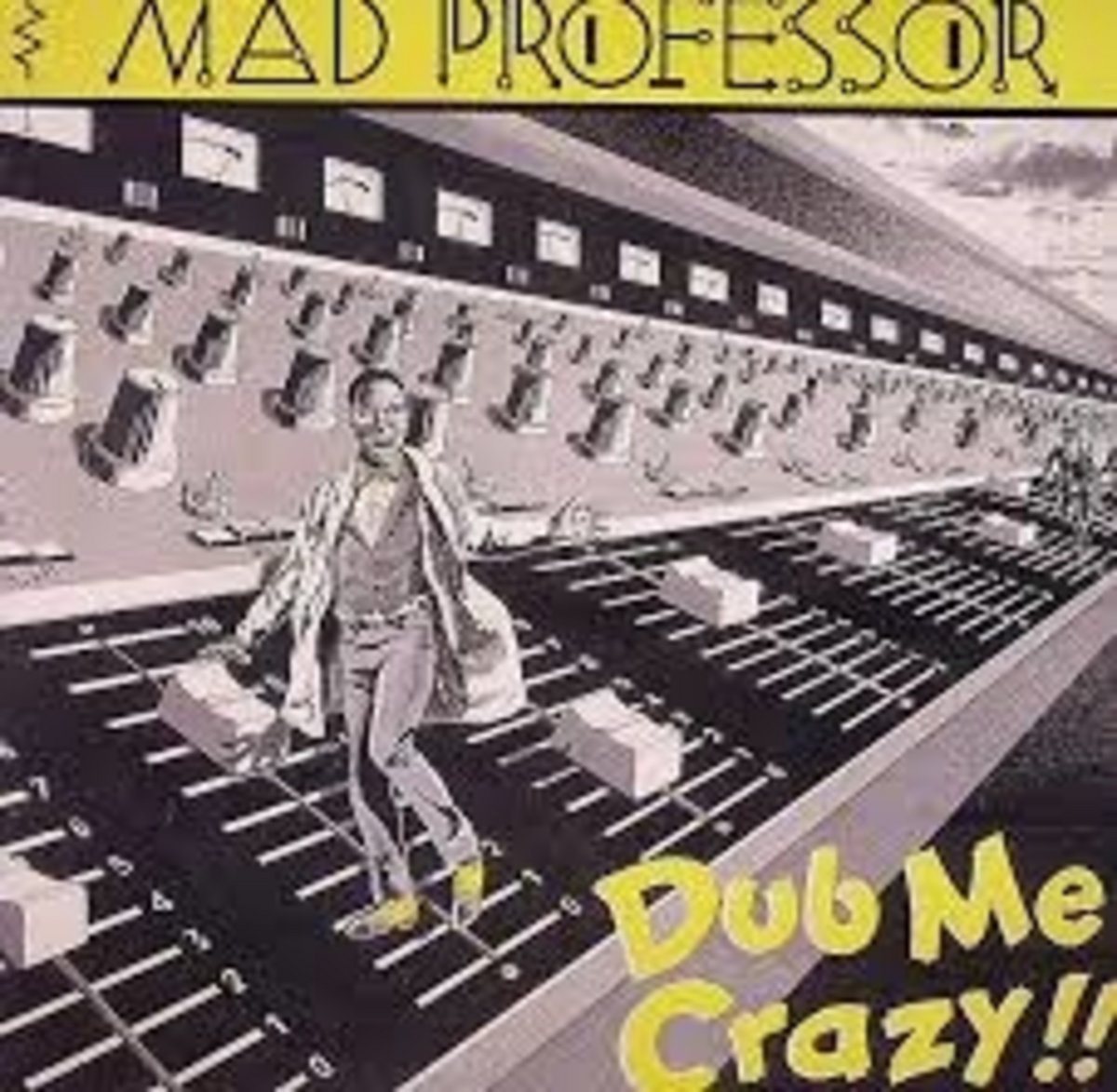
The record was Dub Me Crazy, cut at Neil Fraser's studio in Thornton Heath and released on his own Ariwa label in 1982. Ten tracks of drum, bass and effects pushed to the edge of what his home-built desk could survive, it is the first entry in a series Fraser has kept running ever since under variations on the same title.
"That whole series was about being experimental; pushing technology and testing things out," he says of it. Where a lot of dub in 1982 still worked from a settled toolkit of echo, reverb and the odd sound effect, Fraser treated Dub Me Crazy as an open brief: strip a rhythm called Your Rights/My Rights down to almost nothing, rebuild Zion around a single delay line, let Bucket Brigade sound like exactly the piece of analogue circuitry it's named after.
Peel had already been playing Ariwa's small-run pressings for a couple of years by the time Dub Me Crazy reached him. What changed in 1982 was an invitation into his own studio: Fraser recorded a session for the show on 23 September that year, first broadcast on 4 October and repeated twice more that winter. It put a home-studio dub producer from south London in front of an audience that had never bought a Studio One record in its life.
That's the trade Dub Me Crazy runs on. It never asks the listener to know who Prince Buster or King Tubby were.
Fraser talks about the series as a run of moods rather than a run of products. "Each of the albums in that series was about different moods with their own themes about what I was going through at that time," he says, a strange thing to say about instrumental music and exactly right about this one. Dub Me Crazy doesn't sound like a producer showing off his gear. It sounds like someone worrying at a rhythm until it tells him something.
Ariwa has since carried the series into double figures and beyond, but none of that is on this record. In 1982 it's just an album called Dub Me Crazy, a studio built from a Tascam four-track and a lot of stubbornness, and a DJ on Radio 1 who thought the whole thing sounded like a broken washing machine and put it on the air regardless.