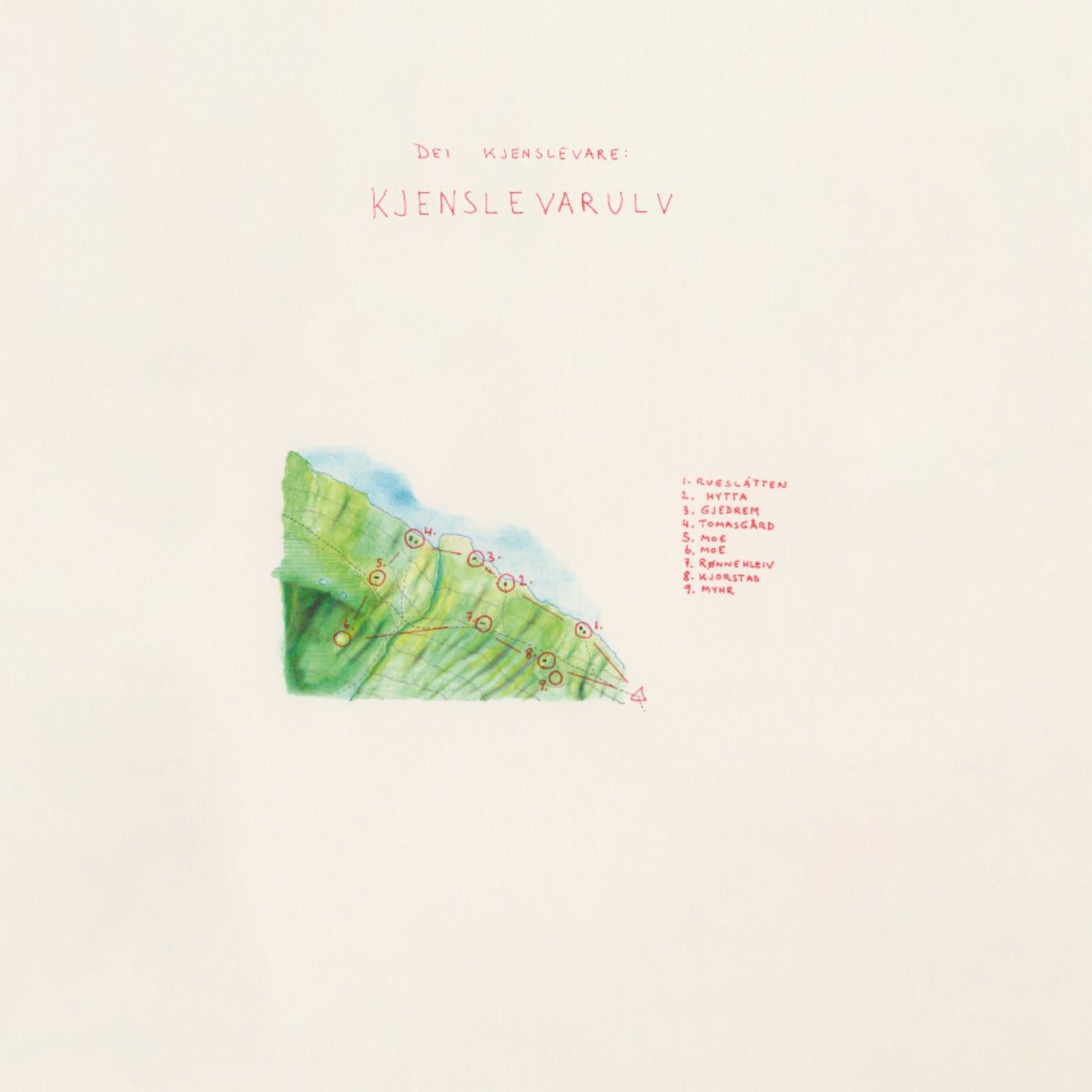
The name is an old spelling of the word for the red sky at sunrise, and it suits a band that has spent a decade carrying something forward while quietly changing what it is. Morgonrode began in 2015 as a trio of classmates on the folk music course at the Norwegian Academy of Music in Oslo: Helga Myhr from Torpo in Hallingdal on Hardanger fiddle, Selma French Bolstad from Ås on fiddle and nyckelharpa, and Rasmus Kjorstad from Fron in Gudbrandsdalen on octave fiddle and langeleik. The jazz half, Fredrik Luhr Dietrichson on double bass and Andreas Skår Winther on drums, came from the jazz programme at NTNU in Trondheim.
That split is the engine of the whole thing. The 2019 self-titled debut on ta:lik, the folk label co-run by bowmaker Niels J. Røine, won the Spellemannprisen for folk and traditional music and a Folkelarm nomination in the open class, mostly by rearranging traditional material. Du milde verden followed in 2020, pushed the drums forward and slipped a cover of Jaga Jazzist's Swedenborgske Rom in among the fiddle tunes, a hint of where the band's ears were pointed.
Det som blir, released on 19 April 2024, turns the proportions upside down. Nearly everything on it was written by someone in the band. They recorded it in summer 2023 in a naust, a boathouse, on the Nesodden peninsula across the fjord from Oslo, and by Winther's own account they arrived with a lot of new, open music and no clear idea of what it would become. The title, roughly what comes of it, is the method in three words.
You can hear it in the space. Sniken opens at just over three minutes like a warm-up; Den som går ut stretches to nearly seven and lets the octave fiddle's darker register and the langeleik's dry, papery drone hang in the air while Dietrichson's bass does the steering. All five members sing, and the blend, unfussy and close, more chapel than stage, is one of the band's real distinctions. Svarteboka and Til Fatou carry the melodic strength that separates Morgonrode from the drone-heavy end of Norway's alt-trad scene without losing the improvising instincts the rhythm section brought.
The Pentangle comparison holds up to a point, but the closer reference is the Norwegian habit of treating fiddle music as a living thing that bends to whoever plays it. Kjorstad works the same seam in Reolô with his brother Hans; Myhr's solo work treats the Hardanger fiddle's sympathetic strings as pure sound. For the vinyl edition the band asked the singer-songwriter Frank Tønnesen, better known as Tønes, to write a short prose piece for the sleeve, with no brief at all. That trust in what someone brings to the room, unplanned, is the record in miniature.