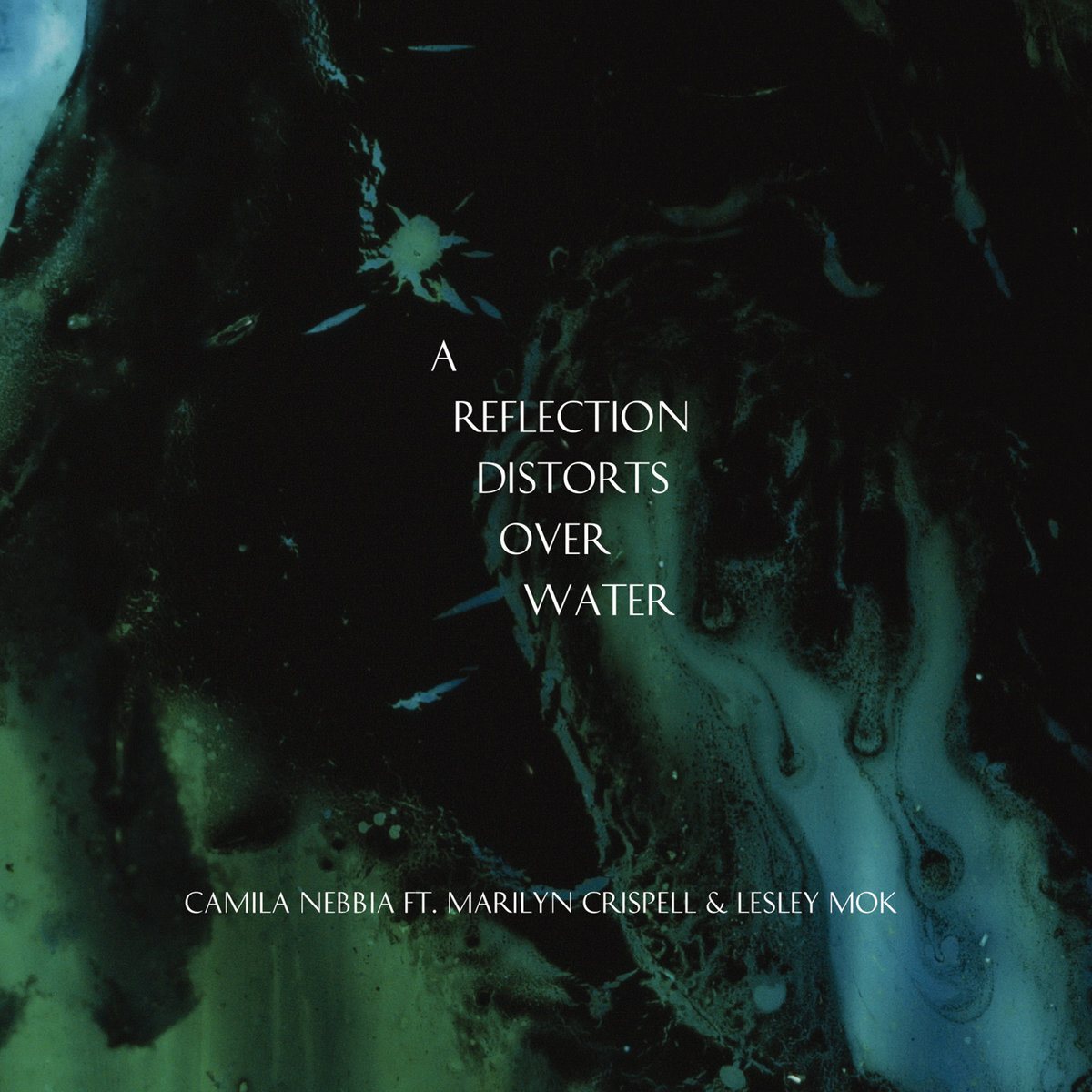
The credit line says Relative Pitch Records, but the record belongs to three people who had never shared a studio before July 2024. Camila Nebbia, a tenor saxophonist from Buenos Aires now living in Berlin, brought a handful of open scores. Lesley Mok, a Bay Area drummer who moved to New York after finishing at Berklee in 2017, brought one composition called Longing. Marilyn Crispell, who has lived in Woodstock since 1977, brought fifty years of listening. They met at Nevessa Studio, a short drive from Crispell's home, and played unrehearsed until they had forty-five minutes they believed in. That is the whole story of A Reflection Distorts Over Water, released in November 2025, and it is enough.
What lifts the record above a well-behaved free session is how differently each player arrives at restraint. Crispell earned hers. She spent 1983 to 1995 in Anthony Braxton's quartet, a band that treated density as a virtue, then spent the following decades on ECM opening up the space between notes with Gary Peacock and Paul Motian. In 2025 the NEA named her a Jazz Master. Here she rarely fills a bar when a single chord will hold the room, and she lets the piano's sustain do work other pianists would do with their hands.
Mok's restraint comes from a stranger place. Early in their New York years they spent evenings at Bushwick Public House absorbing noise sets, and the lasting lesson was a recalibration of dynamics: what they thought was loud was not, what they thought was soft was not. You hear that education in the way they treat the kit as a set of surfaces rather than a clock. On the ten-minute opener Driving Through Flood Water, the drums arrive as weather, cymbal wash and rim detail rising and receding under the horn, and Mok never reaches for a groove to rescue the moment. Their tentet album The Living Collection, out on American Dreams in 2023, was named International Debut Album of the Year at the 2024 Deutscher Jazzpreis, and their solo LP transient followed on the same label this summer.
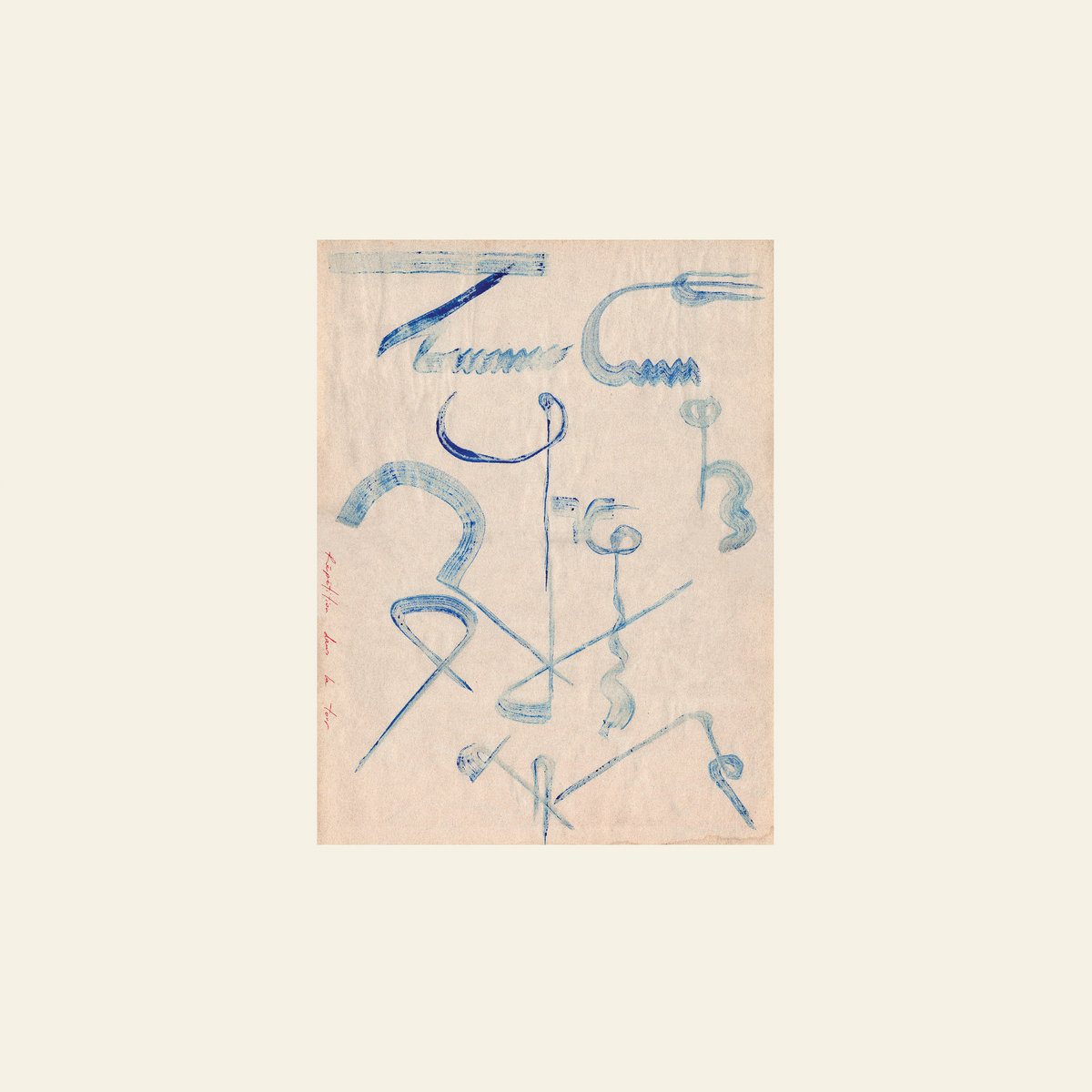
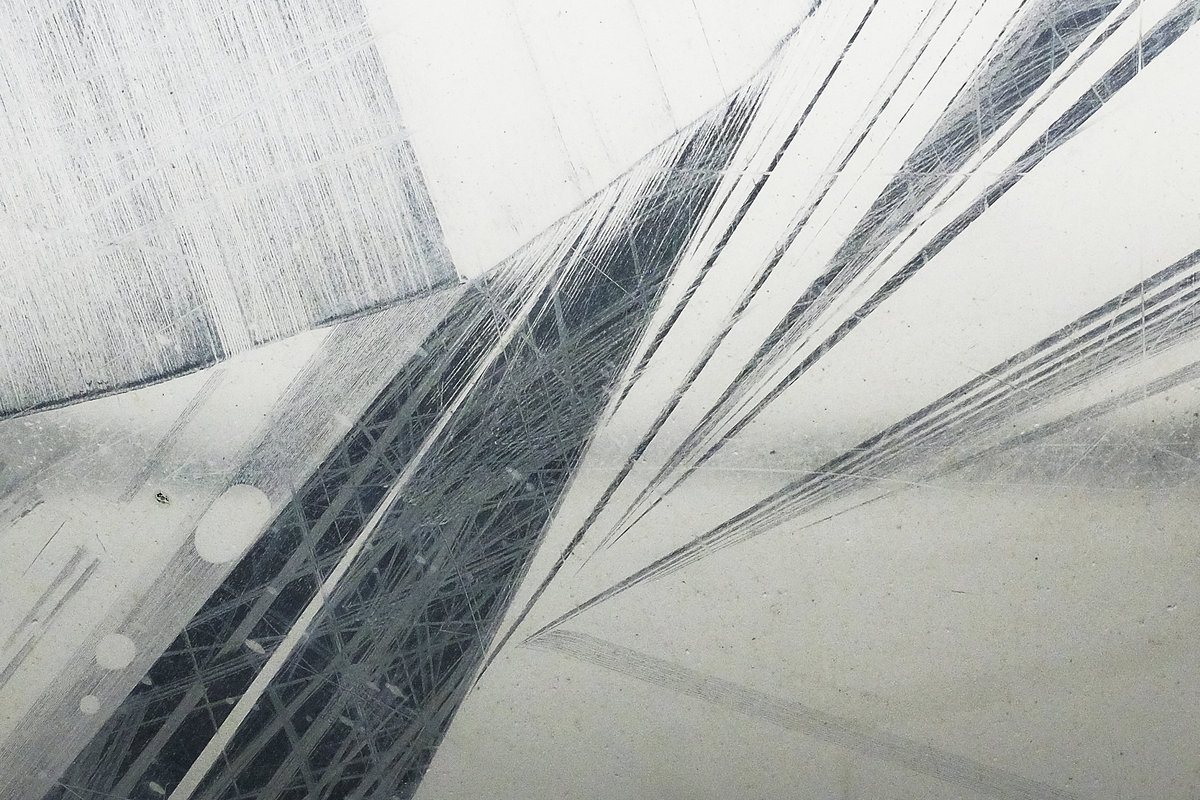
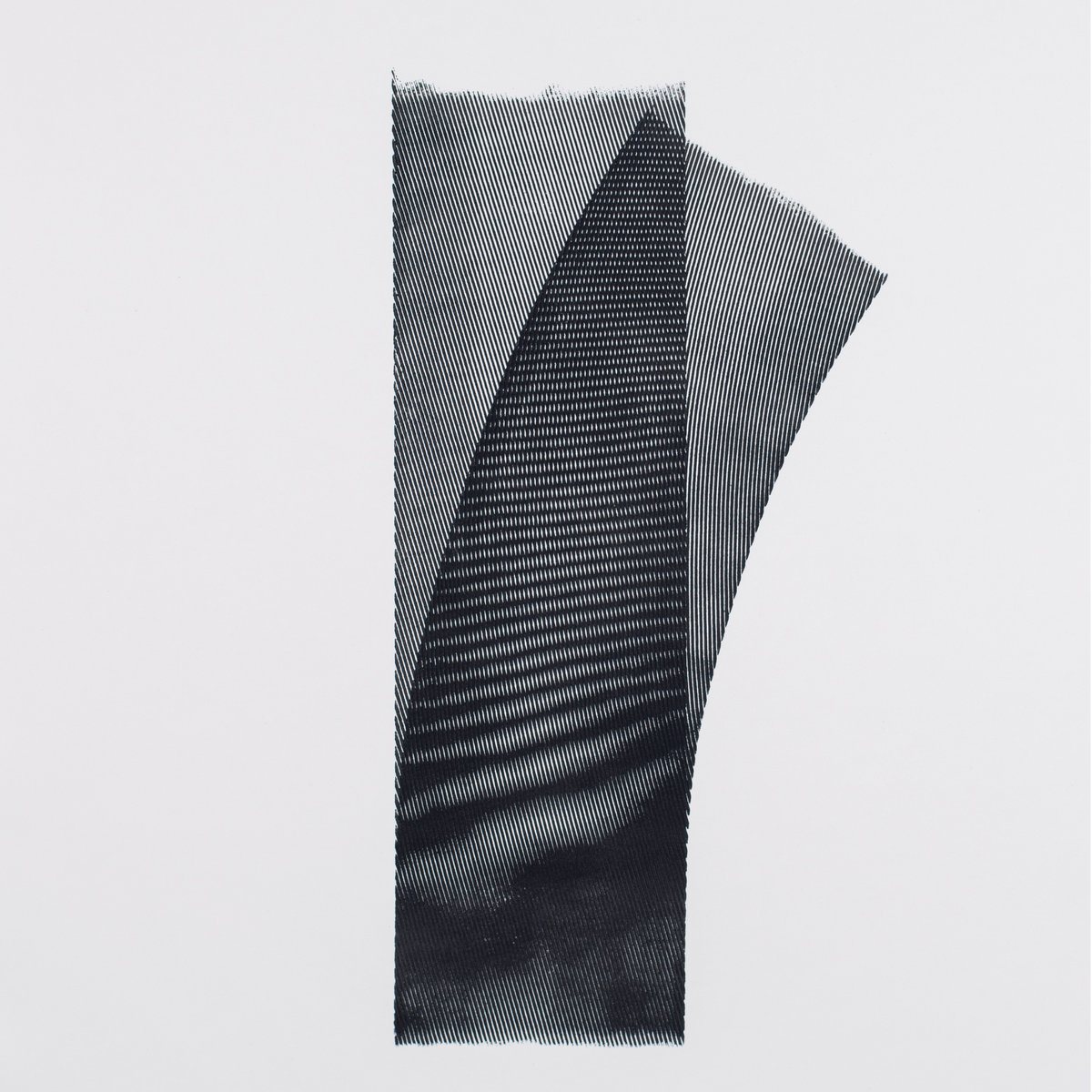
Nebbia is the connective tissue. She had already recorded a solo album for Relative Pitch, una ofrenda a la ausencia, and works regularly with Crispell, so the trio extends an existing conversation with a new voice on drums. Her tenor is dry and breathy, prone to trailing off mid-phrase as if the thought had walked out of the room. She also painted the cover, which fits: titles like There Is No Land, A Room Is Being Erased and Streamside read like captions for something dissolving.
The short tracks are the revelation. Transitoriness, Suspended Time and Spirals each run four or five minutes and refuse to build toward anything. They occur, then stop. In an improvised music culture that still rewards the marathon, a trio willing to let an idea last exactly as long as it lasts feels quietly radical. The water distorts the reflection, and nobody tries to straighten it.