Craven Faults makes electronic music obsessed with infrastructure but suspicious of destinations. A railway siding is useful precisely because it sits away from the main line, a temporary place for things in transit. On Sidings, that image becomes a method: movement without hurry, detours that matter as much as arrival.
Released on 23 January 2026 by The Leaf Label, Sidings is the anonymous Yorkshire-based producer's third full-length double album, after Erratics & Unconformities in 2020 and Standers in 2023. Between them came the shorter albums Enclosures and Bounds. Together they form a body of work in which modular synthesis, tape and repetition are tied closely to the post-industrial north of England.
The anonymity is deliberate. Craven Faults has maintained the project as a space where the music, photographs and place names carry more weight than biography. What is known is more useful anyway: a formative encounter with Kraftwerk in Coventry at 16, followed two months later by Tangerine Dream in Birmingham; a long relationship with analogue equipment; and a studio in an old textile mill within sight of the Yorkshire Dales.
Those details explain why the music feels simultaneously engineered and geological.
Sidings opens with Ganger, a 16-minute piece, followed by the 14-minute Stoneyman. At the other end, Far Closes runs for nearly 16 minutes. Between these long spans sit compact pieces including Yard Loup, Three Loaning End and Drover Hole Sike. The sequencing changes scale like a journey moving between wide landscape and close-up machinery.
The record's references stretch through railway construction, agricultural transport and recording studios. Yet Craven Faults avoids documentary literalism. The synthesisers do not imitate trains or mills. Instead, repeating figures accumulate tiny shifts in voltage, rhythm and texture until the listener begins noticing change almost physically. This is where the project's debt to kosmische music, Terry Riley and the rhythmic insistence of the Velvet Underground becomes more useful than simple genre labels.
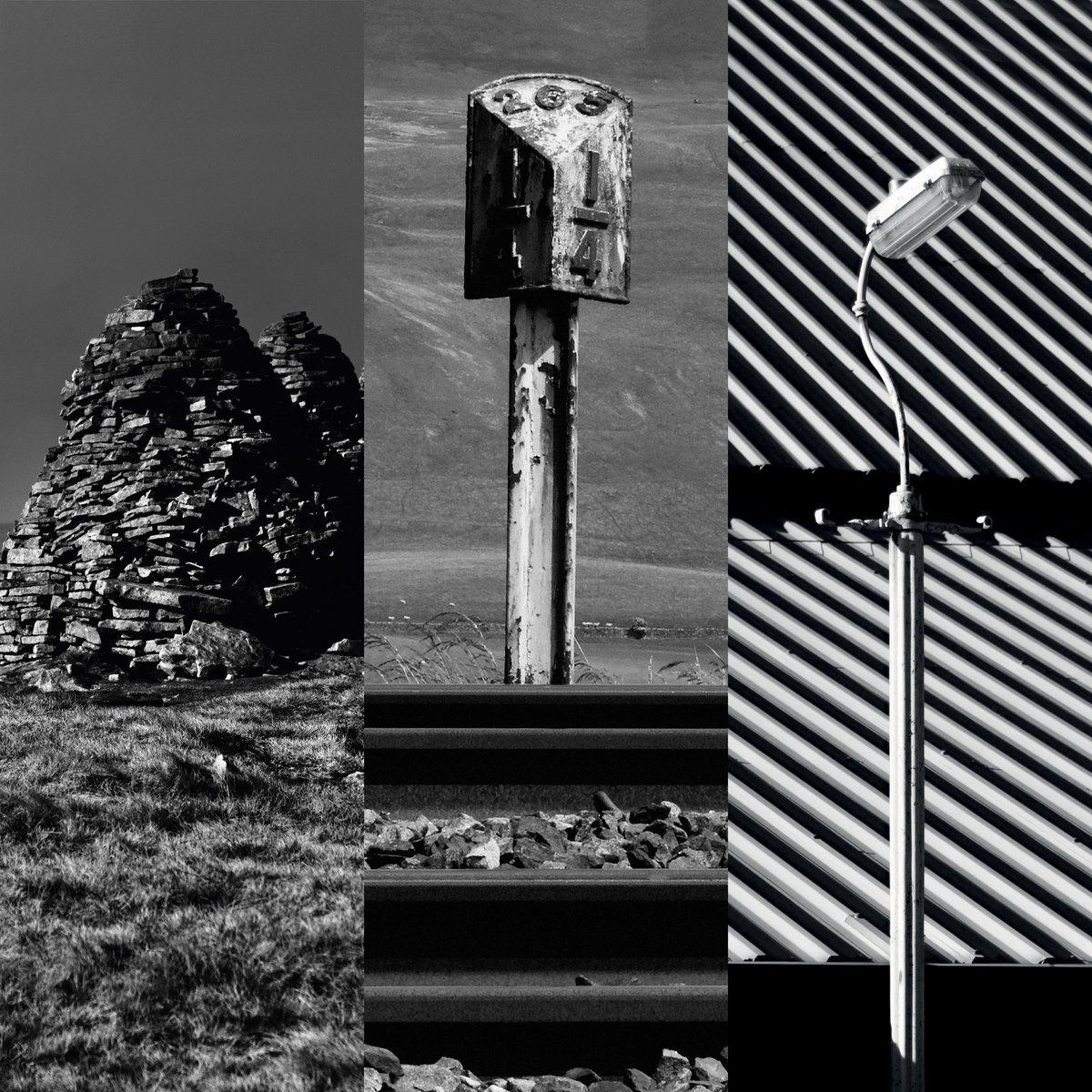
Craven Faults wrote and produced the album, with mastering by Bo Kondren at Calyx Mastering in Berlin. The accompanying photography is the artist's own, continuing the austere visual language that has made landscape part of the project's grammar rather than packaging.
That grammar is increasingly distinctive. Craven Faults does not romanticise industrial ruins or rural isolation; the music is too alert to systems, labour and movement for that. Sidings instead listens for what remains in the ground after routes change: loops, abandoned lines, old patterns and the stubborn rhythm of things passing through.