In the late 1990s, a young trumpeter in his twenties from the Chicago suburbs sat in the Civic Orchestra of Chicago, the symphony's training ensemble, under guest conductors including Pierre Boulez, Daniel Barenboim and Mstislav Rostropovich. Decades later, Amir ElSaffar has made a live album inside a concert hall that carries one of those conductors' names, and the coincidence is worth dwelling on: ElSaffar has spent his career doing exactly what that early training asked of him, finding the discipline inside apparent freedom.
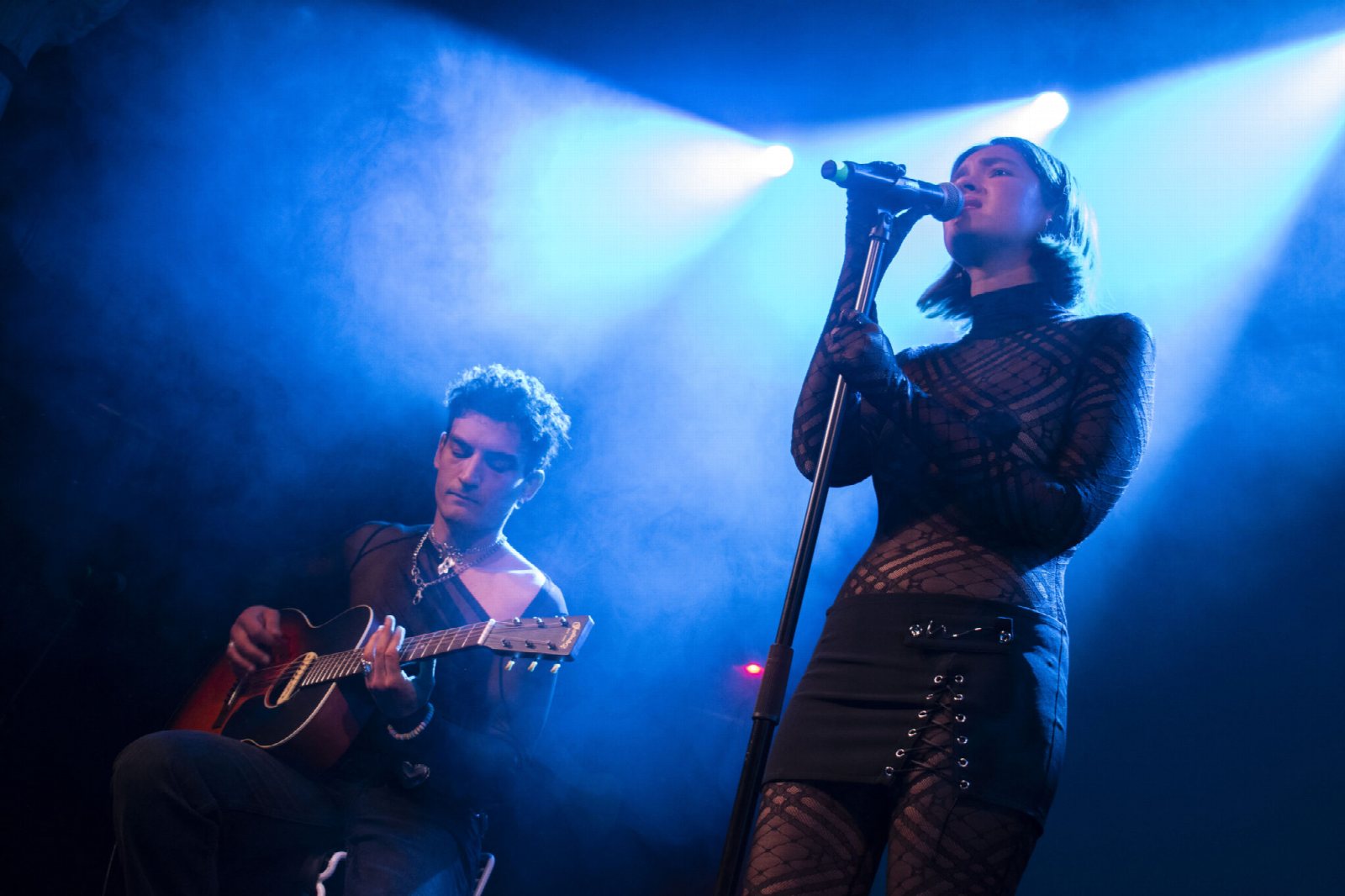
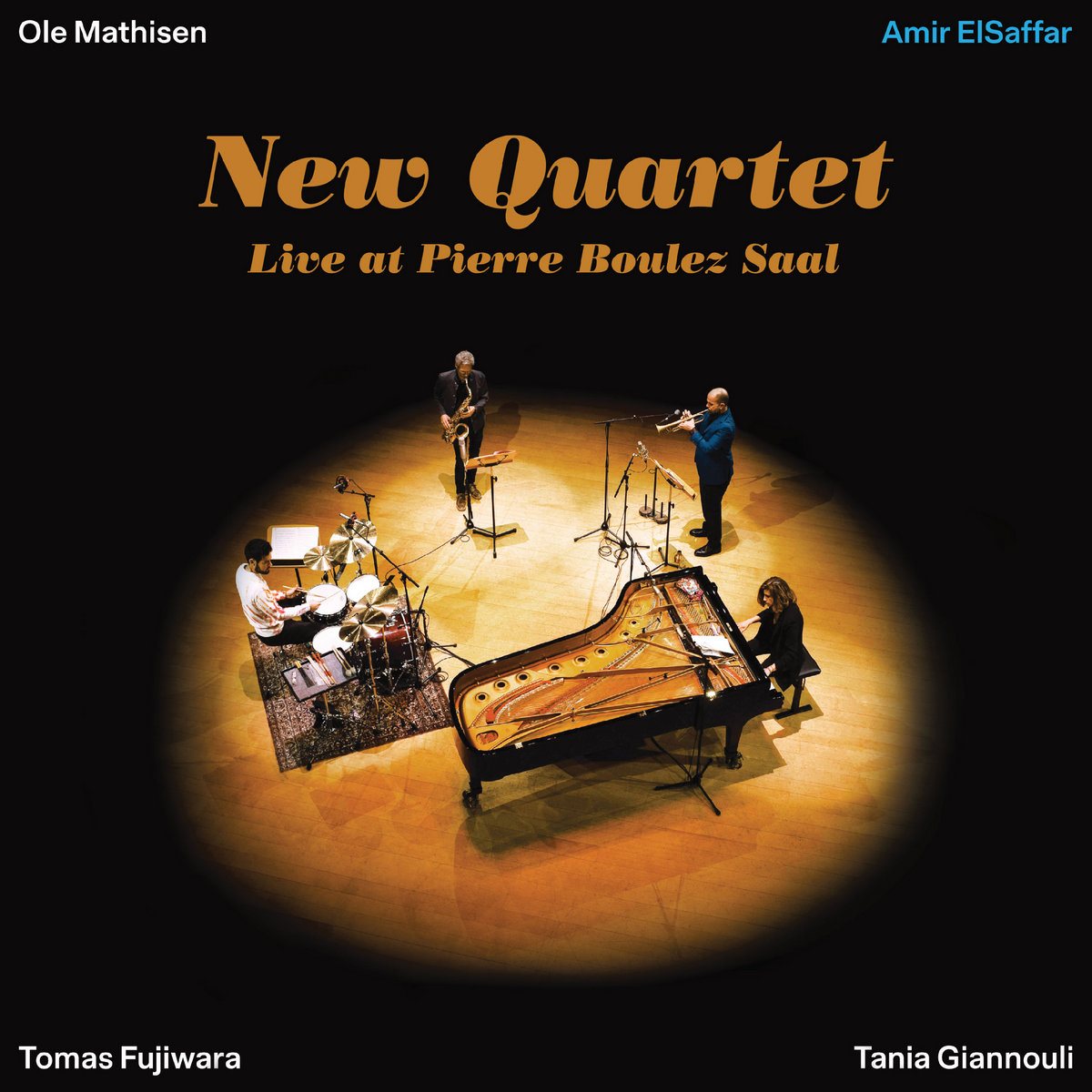
New Quartet Live at Pierre Boulez Saal was recorded over a residency in Berlin in September 2023 and released last year on ElSaffar's own label, Maqam Records. It documents his first recorded meeting with drummer Tomas Fujiwara, the Greek pianist Tania Giannouli and the Norwegian tenor saxophonist Ole Mathisen. There is no bassist.
That absence is the record's real subject. ElSaffar trained as a classical trumpeter at DePaul University, was mentored by Bud Herseth, the Chicago Symphony's longtime principal trumpet, and seemed set for an orchestral career until winning the Carmine Caruso Jazz Trumpet Competition in 2001 sent him toward a different education entirely. He spent much of the next several years tracking down Iraqi maqam masters in Baghdad, London and beyond, studying under Hamid al-Saadi and learning to sing and play the quarter-tones that conservatoire training is built to smooth away. That double apprenticeship, one in equal temperament and one against it, is still the engine of everything he writes.
Without a bass to anchor the harmony, the quartet finds its centre elsewhere: in ElSaffar's own microtonal lines, and in Giannouli's piano, reharmonised and occasionally prepared until it barely sounds like a piano. Fujiwara plays less like a jazz drummer keeping time than like a percussionist embedded inside a maqam ensemble, colouring rather than driving. Mathisen's tenor is the album's nearest thing to a familiar reference point, somewhere in the lineage of late John Coltrane, and even that gets bent by the room around it.
The material was written only days before the Berlin concert, which shows: nothing here has the varnish of a working band's settled repertoire.
Ghazalu, built around sung Arabic verse, states plainly what ElSaffar has been after since his 2007 debut Two Rivers and Radif Suite, his 2009 duo record with Hafez Modirzadeh: not a fusion of jazz and Iraqi classical music but a third thing, indifferent to which tradition is meant to host the other. His seventeen-piece Rivers of Sound Orchestra proved that idea could fill a large room. This quartet proves it can survive with almost nothing to hide behind.