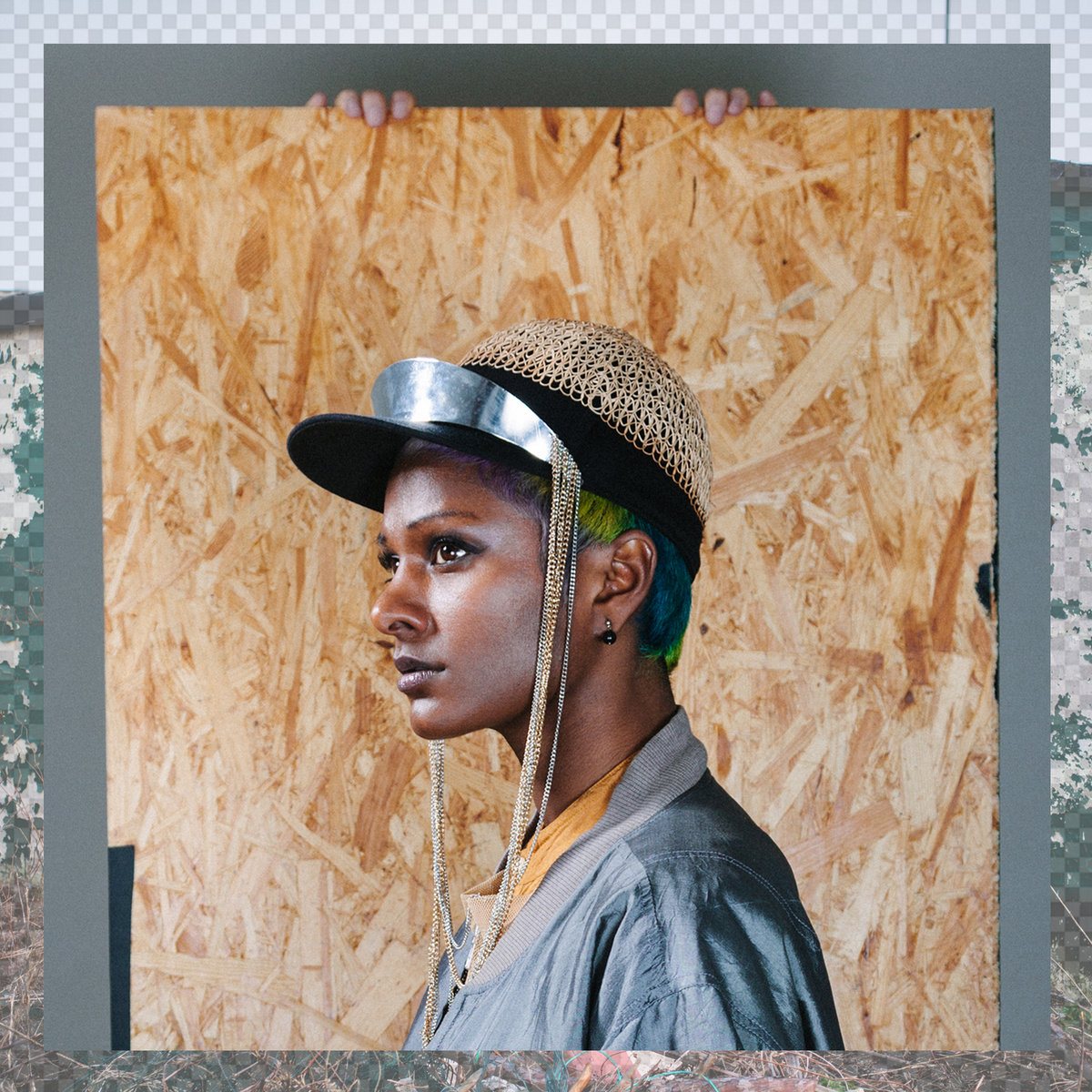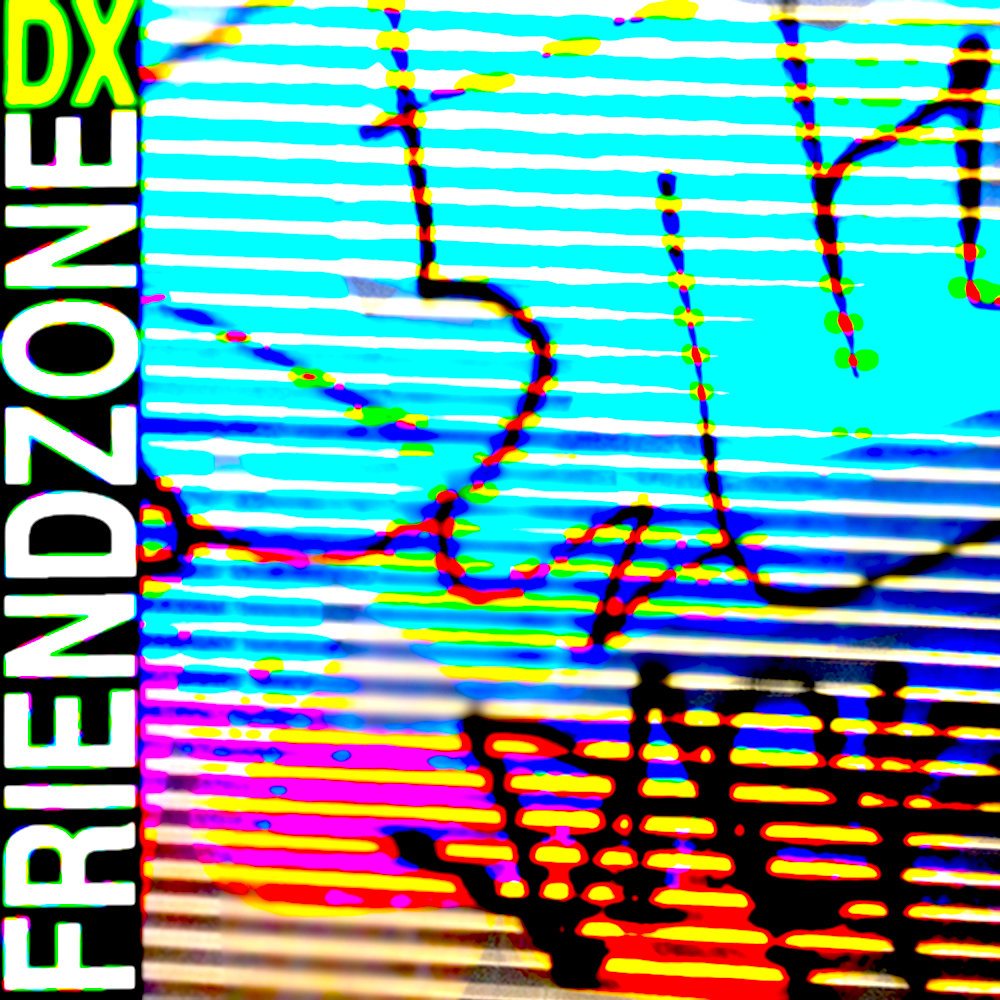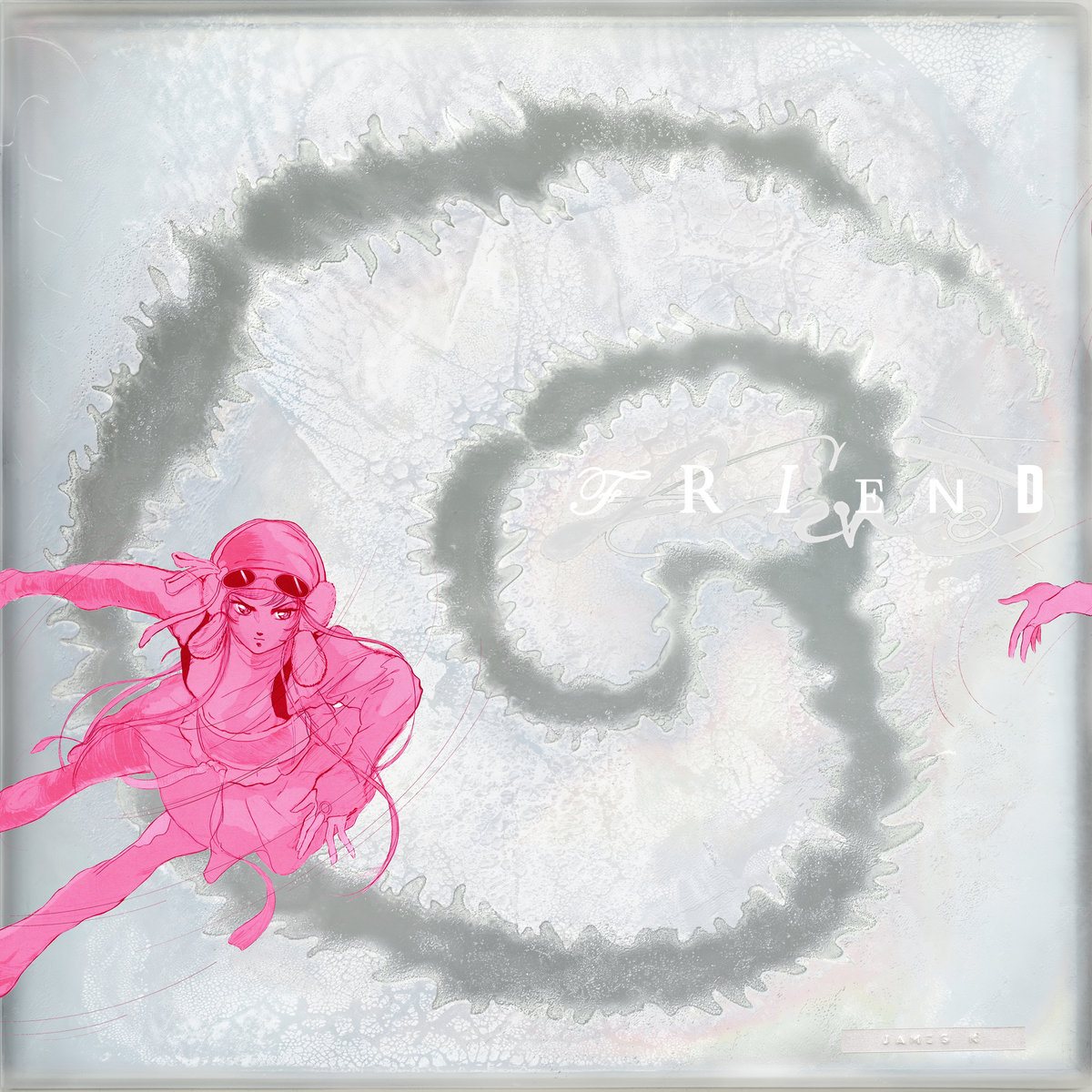
james K’s voice rarely sits cleanly on top of a track. It hangs inside it: doubled, softened, half-obscured by guitars, breakbeats and electronic residue. On Friend, that instinct for concealment becomes unexpectedly social. The album is full of other hands, but its crowded credits only make Jamie Krasner’s musical language easier to recognise.
Released on 5 September 2025 through AD 93, Friend is the New York artist’s third album, following PET from 2016 and Random Girl from 2022. Across 13 tracks and just over an hour, Krasner moves between shoegaze density, trip-hop drag, drum-and-bass momentum and dream-pop melody without treating genre as a sequence of costume changes. The transitions feel chemical: one texture dissolves into another.
“Doom Bikini” is the obvious entry point. Its low-slung groove gives Krasner’s blurred vocal presence something unusually firm to push against, while “Blinkmoth (July Mix)” stretches for seven minutes through a more vaporous kind of motion. “Idea.2” follows with sweetness and digital abrasion sharing the same space. None of these tracks are nostalgic in a simple sense. They use familiar materials — breaks, smeared guitars, submerged vocals — to make something unstable and contemporary.
The album’s title is not decorative.
Krasner made Friend with a network that crosses New York and Montreal. Francis Latreille and Patrick Holland co-write and produce several tracks, including “Days Go By”, “On God” and “Play”; Adam Feingold appears across “Days Go By”, “On God”, “Play”, “Peel” and “N’Balmed”. Special Guest DJ shares writing and production on “Blinkmoth (July Mix)”, while Ben Bondy works with Krasner on the closing “Collapse (falling forward blissfully all the time)”. Hank Jackson also contributes production to “Lung Slide”. Latreille and Holland mixed the record at Jumpsource Studios, with Noel Summerville mastering.
That collaborative structure changes the emotional scale of james K’s music. Earlier work could feel hermetic, as though Krasner had built a weather system and disappeared into it. Friend keeps the fog but adds bodies. “Play” can carry buzzing guitars and rave pressure without losing her spectral vocal centre; “Hypersoft Lovejinx Junkdream” turns its title’s collision of softness and overload into an organising principle.
Krasner has long operated around experimental electronic and club communities, and Friend makes those relationships audible without flattening her into a scene. The record’s strength is its refusal to choose between songcraft and atmosphere. Melodies surface, vanish and return altered; rhythm can be physical while the voice remains distant.
For music so preoccupied with blur, Friend leaves a precise impression: james K sounds most distinct when she lets other people into the frame.