Olga Wojciechowska has spent most of her career writing music for other people's bodies. Sidi Larbi Cherkaoui has commissioned her repeatedly, for Constellation, Puz/zle, Genesis and Pluto. Yabin Wang used her for The Moon Opera, Daniel Proietto for Woman and Cygne, and her score for Cygne was performed at Oslo Opera House and turned up in Wim Wenders' 2014 anthology film Cathedrals of Culture. That's a lot of choreography to write towards.
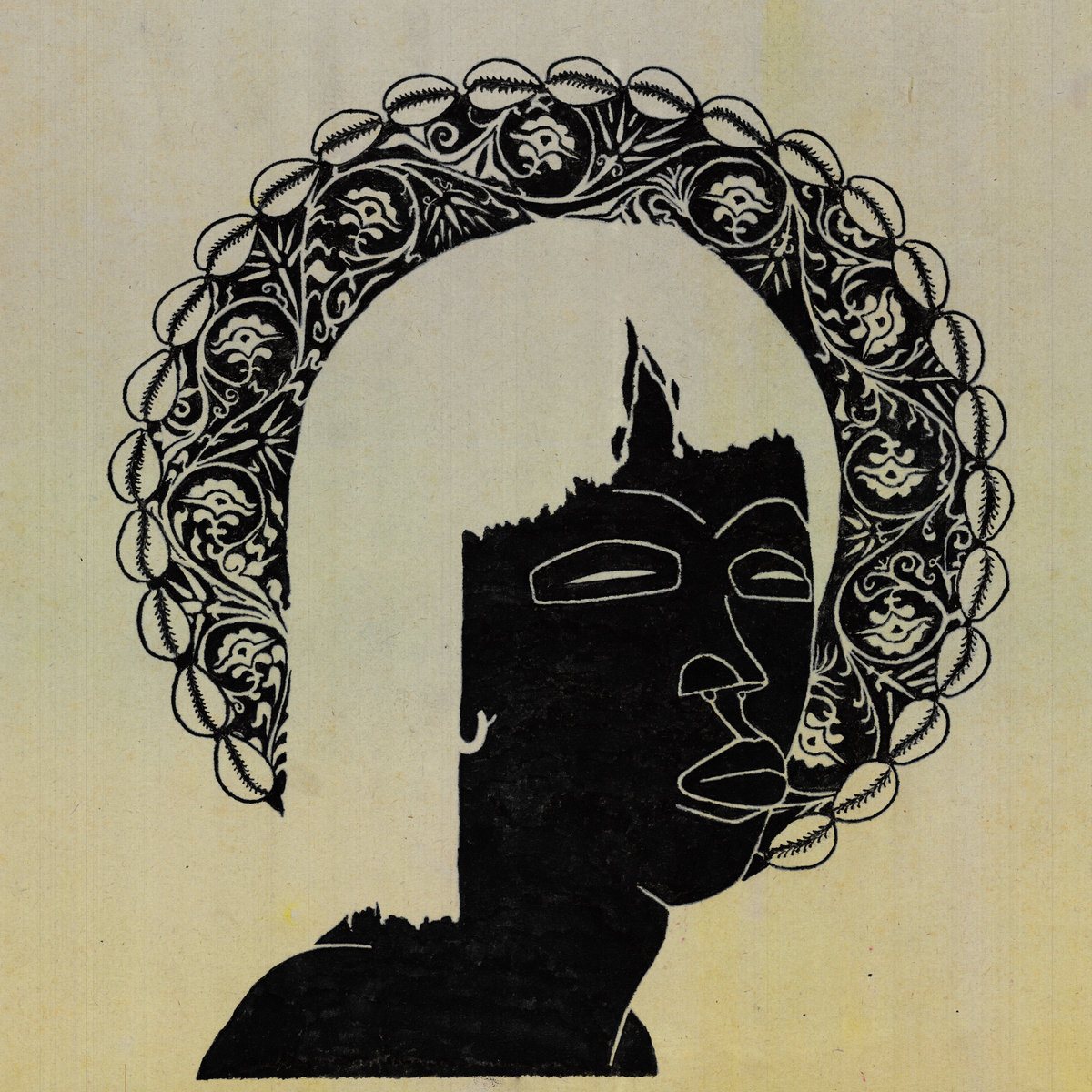
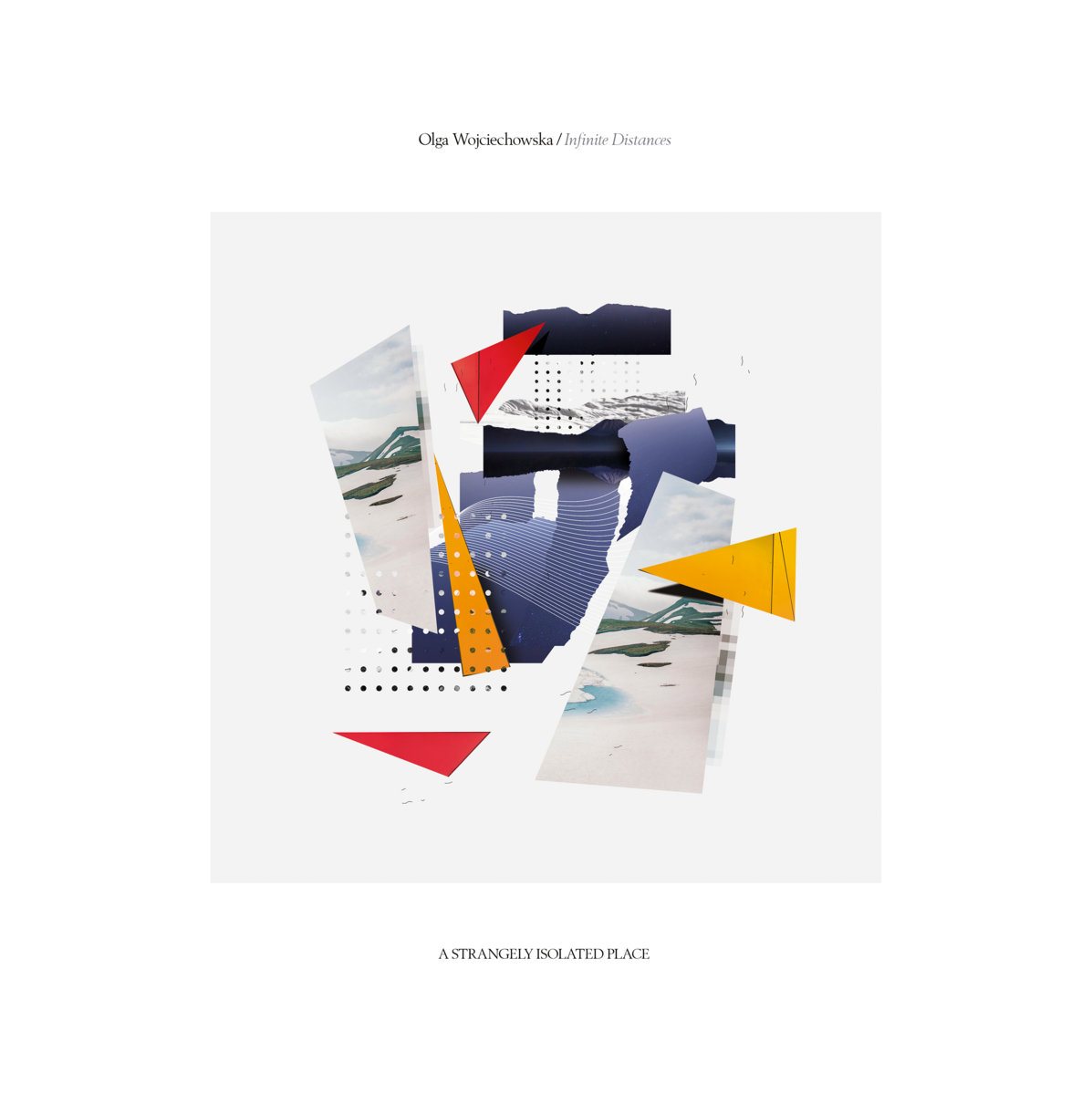
Infinite Distances, released through A Strangely Isolated Place in November 2019, has no choreographer to answer to.
It's dedicated, simply, to her grandmother. The seven tracks don't attempt a chronology of loss so much as reproduce its structure, which isn't linear at all. One set of pieces sits in drone and near-silence: static bursts standing in, as one listener put it, for neurons firing as the brain strains to remember something it's already losing. The other set swerves hard the other way, piano pushed forward, brass arriving where you don't expect it, organ tones building towards something that sounds, briefly, like triumph. Nothing here resolves the tension between the two moods, and that refusal is the record's actual subject.
Wojciechowska recorded under her own name for this one rather than as Strië, the alias she's used for anonymous, more abstracted work with labels like Serein and Time Released Sound. Kristoffer Kompen features on the opening track, and Rafael Anton Irisarri mastered the whole thing at his Black Knoll Studio in New York, which explains some of the record's clarity, Irisarri being one of the more dependable hands in this particular corner of ambient composition.
What separates Wojciechowska from the wider modern-classical field she gets filed under is the choreographic instinct itself, carried over from the stage work into a record with no dancers.
She thinks in bodies moving through space even when the space is just two speakers. It's there in how the tracks are sequenced, less a narrative arc than a series of positions held and abandoned, which is presumably why the album resists being tidied into a single emotional through-line. She's performed live alongside Nils Frahm, Greg Haines and the Alvaret Ensemble, all of them working similar territory where notated composition meets studio texture, but Infinite Distances sounds less indebted to any of them than to the specific, undramatic fact of losing someone gradually rather than all at once, and trying to write music that doesn't pretend otherwise.