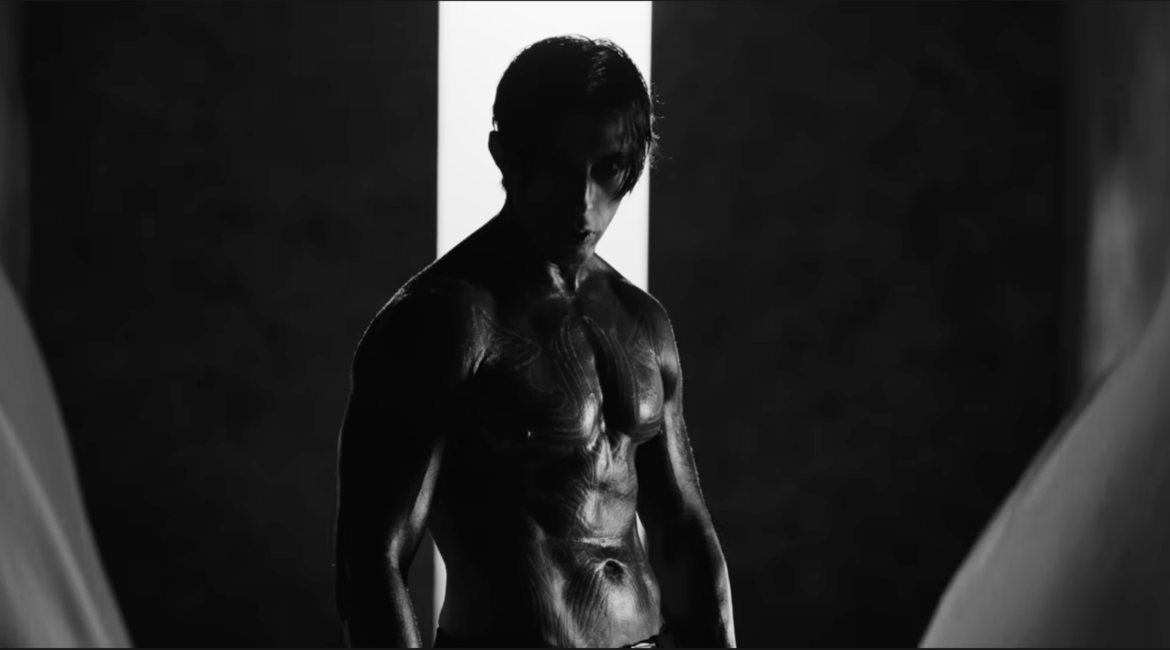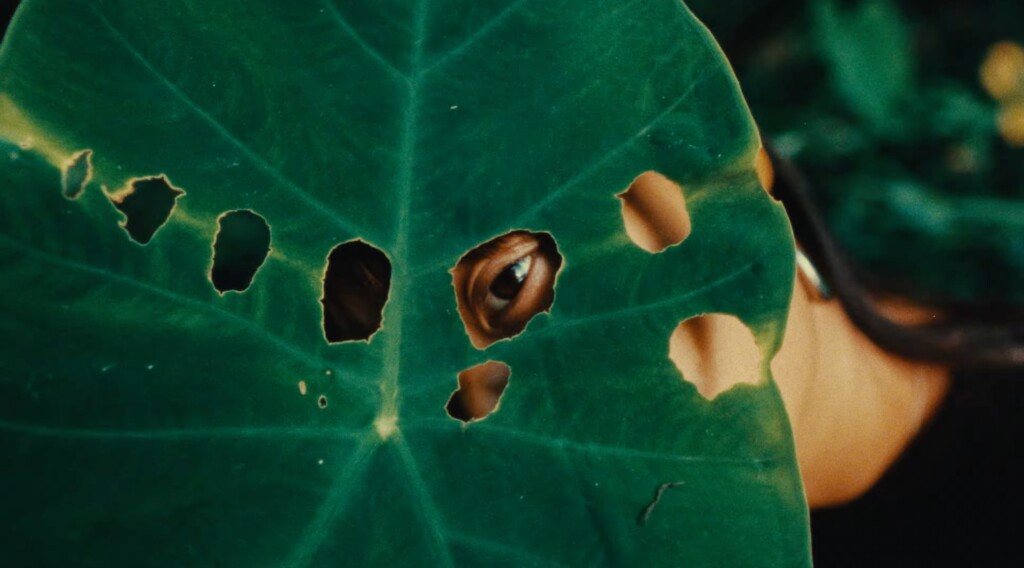
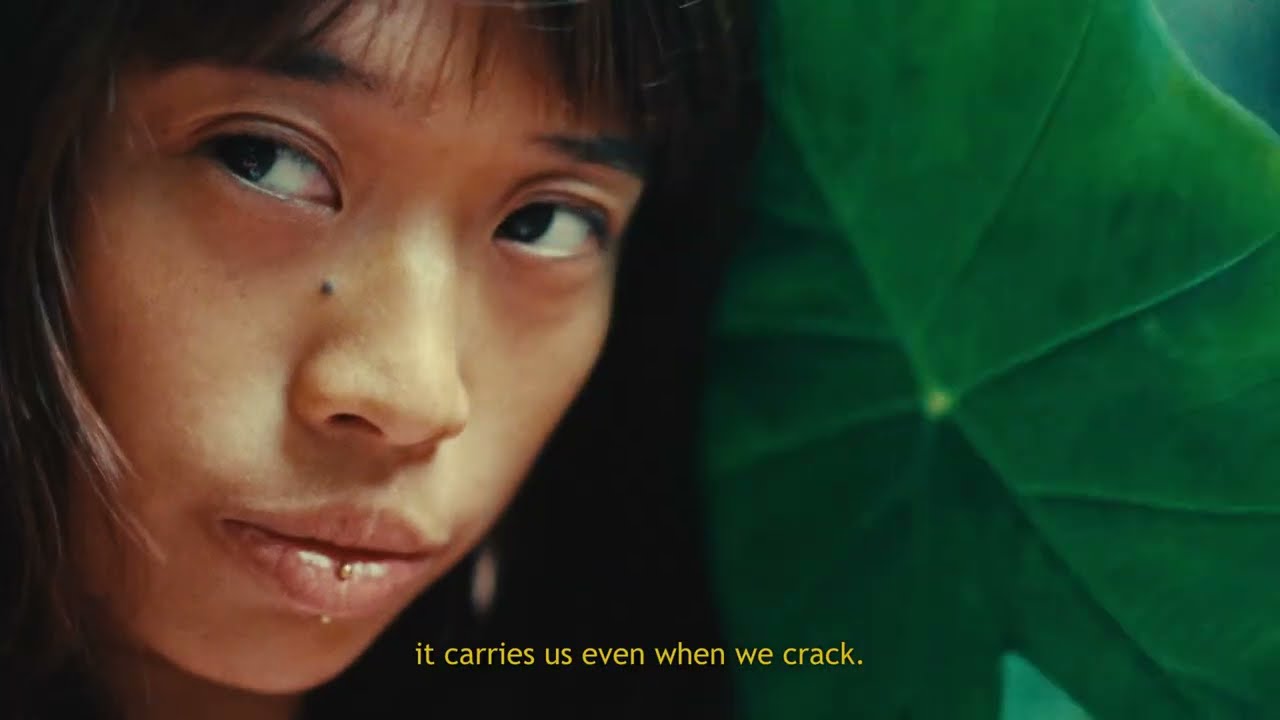
The opening image of Keren Ilan’s video for “That Song” is not a slick establishing shot but an accumulated intimacy: a small crew, a gimbal and a tripod, and a camera that feels inside the frame rather than above it. That minimal rigging is not a stylistic affectation so much as the production’s grammar — the film was shot across Vietnam over the course of a month with effectively two people on location for much of the shoot (Berlin Music Video Awards).
That logistical constraint shaped the work. Credits for the video list Ilan as director and director of photography, with Yohad Elkarif as camera, Ella Michaeli on edit and colour, and Dan Deutsch on graphic design (Berlin Music Video Awards). Ilan and Elkarif spent the month filming, then returned to an edit that took about a year to arrive at its final shape, a pause that the artist used to reflect on the material before cutting (Berlin Music Video Awards).
The film pivots around a straightforward question Ilan poses in the project write-up: "what does home mean when belonging to one place has never felt straightforward" (Berlin Music Video Awards). The question is not merely thematic; it governs frame choices, the decision to linger on landscapes rather than spectacle, and the willingness to allow private emotion to crease the public view.
Musically, “That Song” exists as a 2022 single in Ilan’s catalog and has collaborative credits with Za’atar Project on listing services (Shazam). It sits alongside an album titled NostosAlgos (2024) in aggregator metadata (Shazam), which helps locate the video as part of a practice that moves between recording and moving-image work (Linktree links Ilan’s official platforms).
What makes Ilan distinctive is how she treats the camera like a second instrument: the film’s small-team aesthetic translates into arrangements that leave space in the leafs — vocal lines that can be interrupted by ambient noise, silences that act as counterpoint. That economy makes personal detail feel consequential rather than confessional; food poisoning, logistical setbacks and the emotional complications of shooting while in a relationship with the cinematographer all become part of the film’s texture rather than incidental gossip (Berlin Music Video Awards).
The video has attracted attention in the festival and curation circuit, appearing in selection lists beyond its initial run (Europe Music Video Awards). Taken together, Ilan’s practice reads as an artist working at the edge of music and film: the songs provide a scaffold, the camera a second voice, and both ask the same question about where — and whether — home can be found.