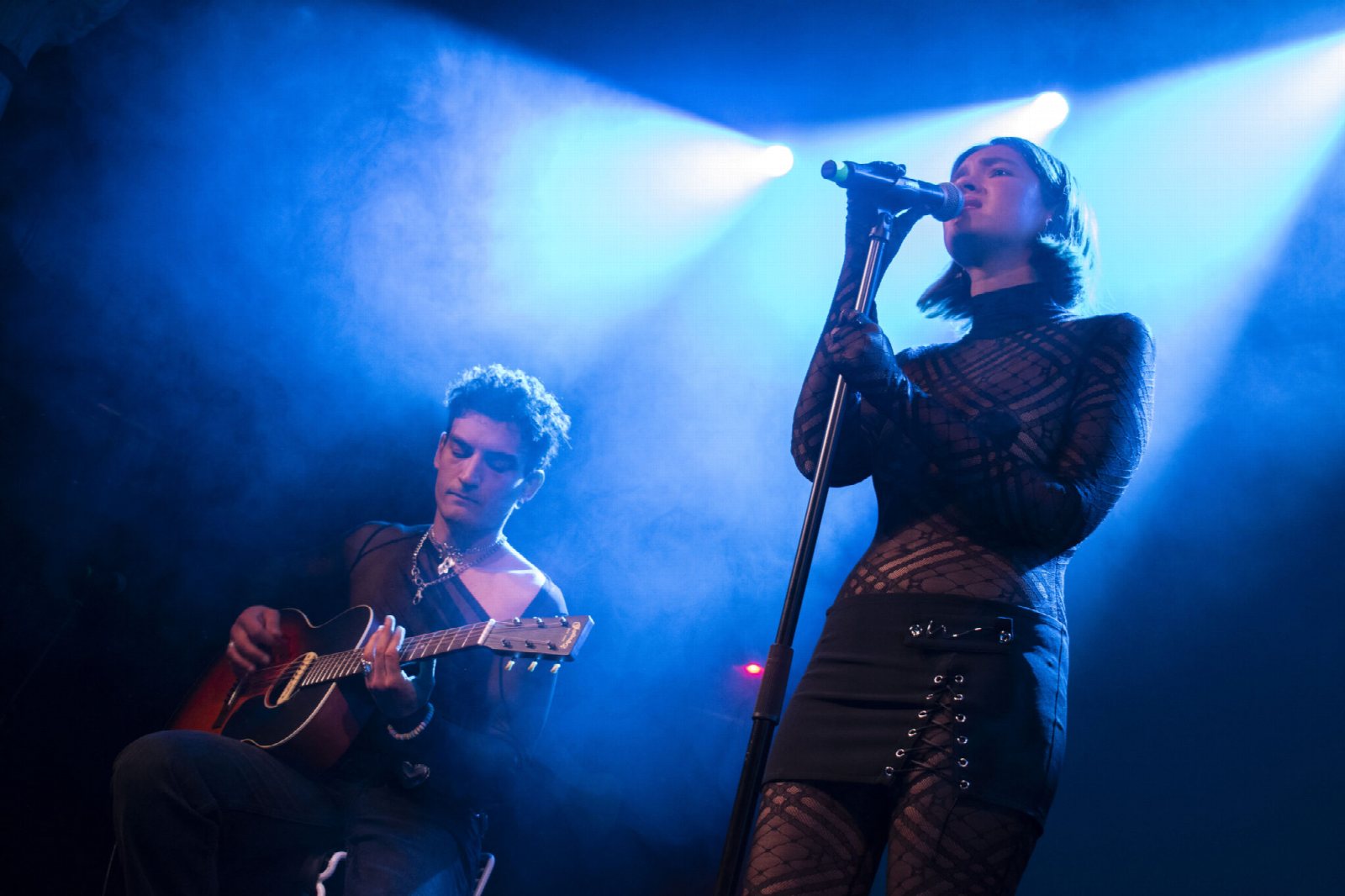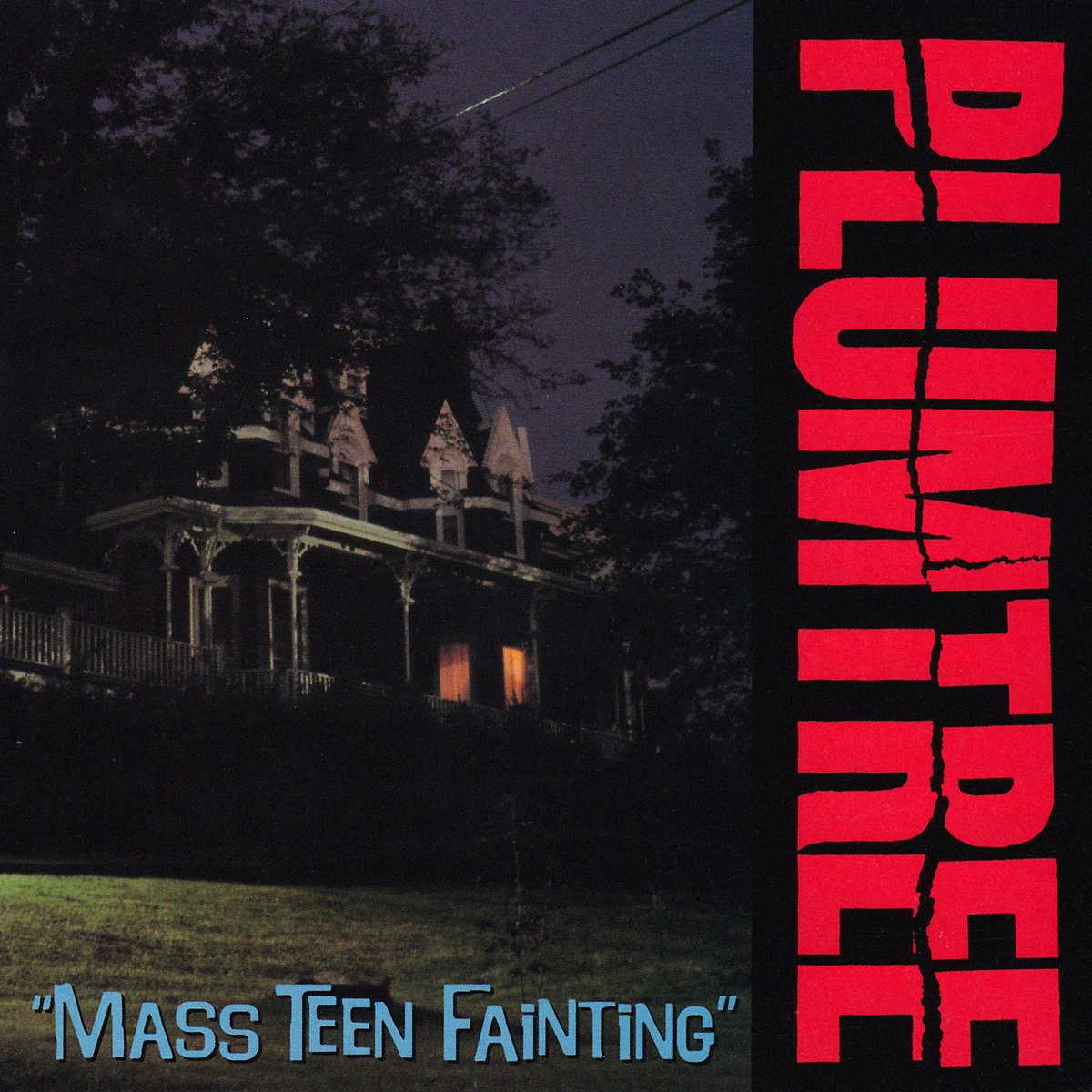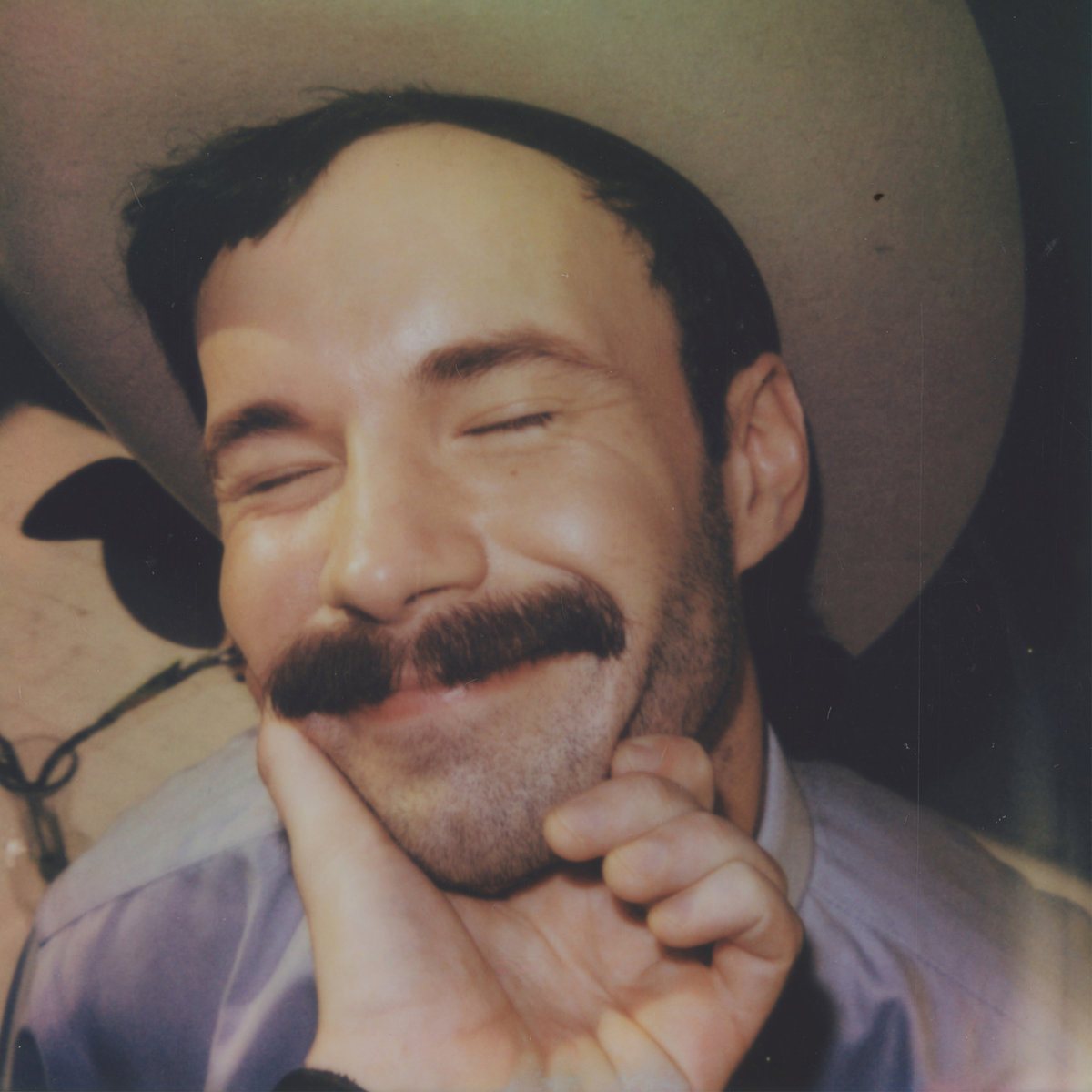
The voice arrives first, and it is the whole argument. Andrew Sa sings like a man who believes a ballad is something you commit to fully or not at all: a wide, unhurried baritone that swells into the upper register without ever sounding strained, more crooner than cowboy, more Roy Orbison than anything Nashville has signed lately. On American Rough, his debut album, released in June 2026 on Bloodshot Records, that voice is placed in front of pedal steel, brushed drums and the occasional horn section, and asked to do something the mid-century country ballad was never asked to do: describe one man wanting another.
Sa is Chicago-based rather than Chicago-born, and the distinction is part of the story. He grew up in Fremont, California, and his earliest musical memories are country radio in his father's Ford F-150 and, once his mother started a karaoke company, being ushered onstage at ten to warm up the crowd, where he always picked the sad Patsy Cline songs. He moved to Chicago for a class at the Old Town School of Folk Music and came up through the Cosmic Country Showcase, the campy, theatrical revue Davis and Dorian Gehring started in 2018. Bloodshot was founded in the same city in the mid-1990s on the idea of insurgent country, a punk-raised, Nashville-skeptical strain of roots music, and an adopted Chicagoan who treats Cline as scripture is less a departure than a return to the founding brief. His 2023 single Dark Phoenix b/w Little Lamb, cut at Fox Hall with Gehring engineering and Sima Cunningham on backing vocals, was the first sketch of the sound the album refines.
The refining happened in North Carolina. Sa co-produced American Rough with H.C. McEntire and Missy Thangs, recording at Fidelitorium and Betty's, with Thangs engineering and mixing and Sarah Register mastering. McEntire, the Durham songwriter whose own records map the tension between Southern evangelical upbringing and queer adulthood, is the record's most important second presence. She sings on three tracks, and on Where It Lands she and Rosali fold around Sa's lead until a solo confession sounds closer to a congregation.
What keeps the record from being merely a clever inversion is the writing. There is a karaoke-bar earnestness in how directly Sa addresses the person he wants: the ten-year-old who chose the saddest song on the list has grown into a man who still does. Under You and You Turned Me On are as plain as their titles, and the plainness is the point. The language never gets more ornate than the melody can carry.
The lineage he belongs to runs through Chris Isaak, k.d. lang and Rufus Wainwright: singers who understood that the torch song was always a slightly closeted form, that its yearning was portable. Sa's contribution is to stop pretending otherwise. American Rough does not queer country by roughing it up. It queers country by singing it exactly as written and changing only who the song is for.