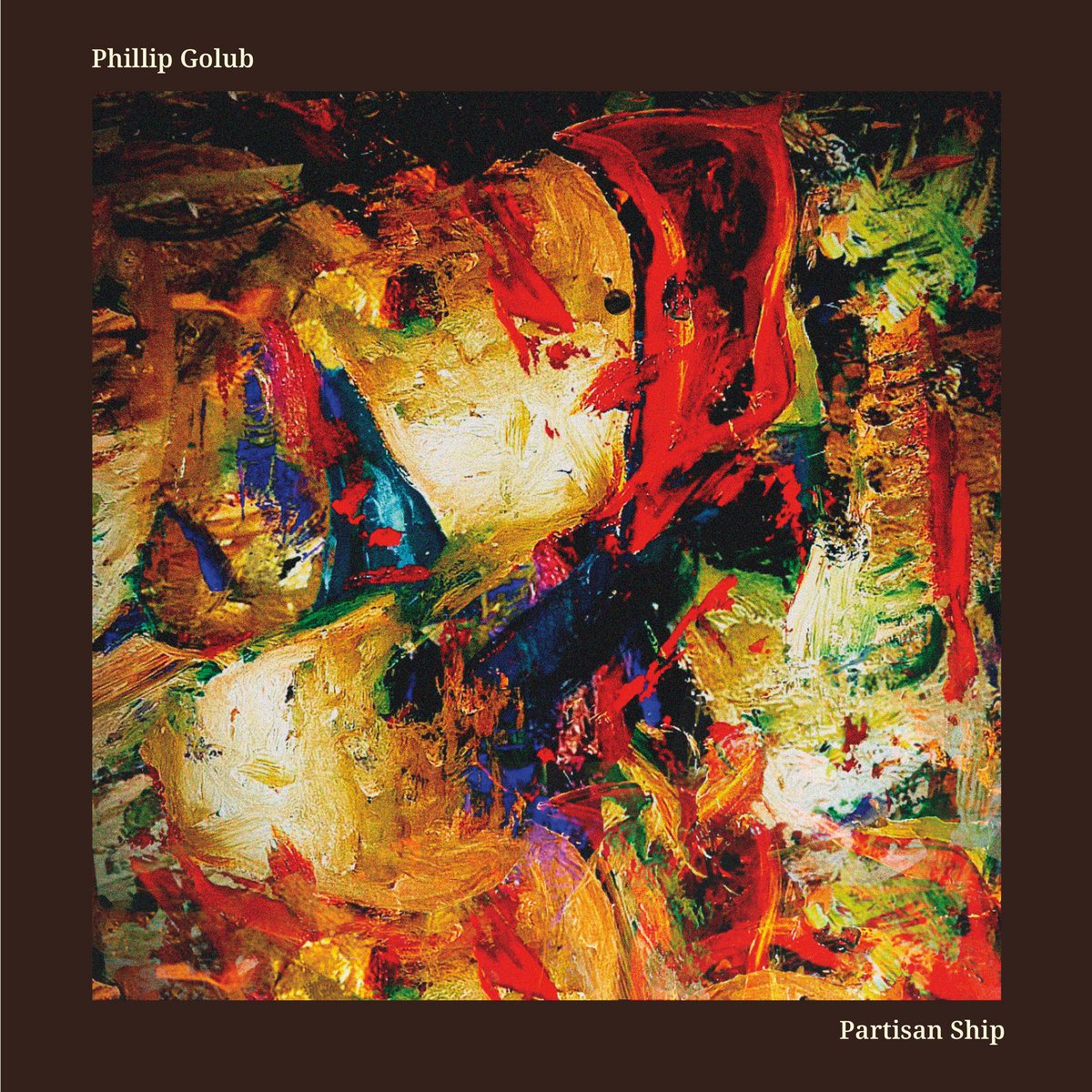
Phillip Golub plays a standard MIDI keyboard that has been persuaded to lie about its own tuning. He calls the result his flexichord, and on Partisan Ship it sits somewhere between an acoustic piano and a synthesiser without quite belonging to either, which is exactly the ambiguity the record is built on.
Golub grew up in Los Angeles, studied jazz piano and composition through degrees at the New England Conservatory and London's Guildhall School, and has spent the past decade as a sideman good enough to work alongside Wayne Shorter, Esperanza Spalding and the bassist Cecil McBee. His own projects, the collective Tropos and the duo Dream Brigade with drummer Lesley Mok, have mostly stayed inside the language of contemporary jazz composition, however knotty.
Partisan Ship, released on the German label Berthold Records, breaks from that. It tells a loose story about partisans sailing towards an imaginary utopian micronation, and each stop on the journey gets its own tuning system, so the album moves through a series of microtonal weather fronts rather than key changes. Golub conceived it as a studio suite rather than a live set, which freed him to stop worrying about whether a band could actually play it.
"I could do away with all notions of the album having to sound like a real ensemble of people playing together in a room," he has said of the writing process. "I could have layers of instruments, waves of electronic sound. I could lean into all kinds of impracticalities, notably, writing extremely hard microtones, hard rhythms, and hard passages to balance as an ensemble."
That the record still swings, and often hard, is the trick.
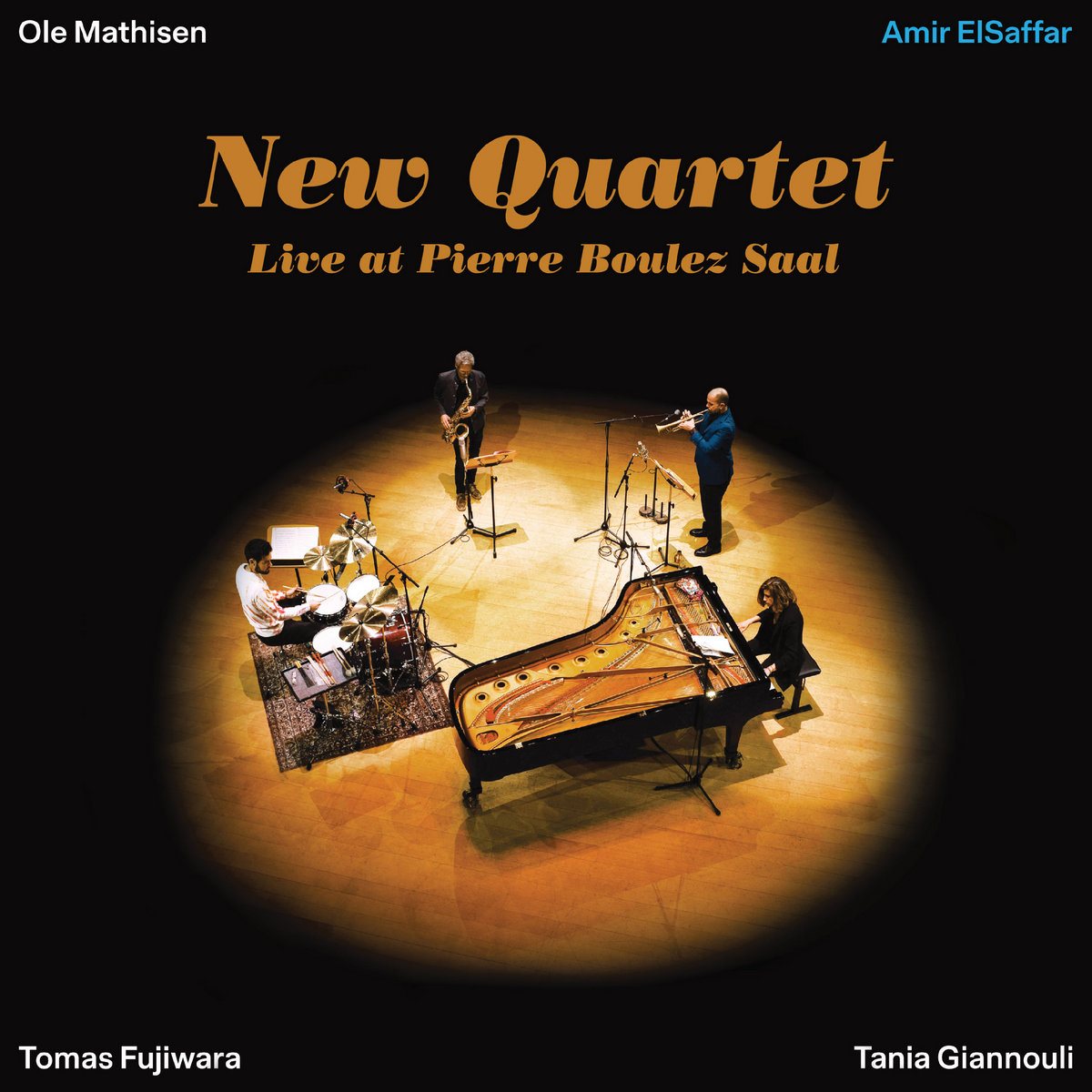
The cast helps: the trumpeter Amir ElSaffar, whose own work runs on Iraqi maqam tuning, the saxophonist and flautist Anna Webber, the violinist Layale Chaker, and the pianist and synthesist Elias Stemeseder, all musicians fluent in music that refuses twelve equal steps to the octave as a starting assumption. Alongside them, reedist Yuma Uesaka, saxophonist David Leon, bassist Sam Minaie and drummer Jon Starks keep the whole apparatus moving like a band rather than a laboratory. The effect lands closer to Frank Zappa's more deranged big-band writing, or to Sun Ra's sense that outer space and the tuning fork were both negotiable, than to anything filed under fusion revival.
Golub's 2024 debut, Abiding Memory, picked up a nomination for Newcomer of the Year at Germany's jazz prize and a residency at Dumbarton Oaks in Washington. Partisan Ship is the more ambitious document: less interested in memory than in invention, and confident enough in its own impossible tunings to make them sound, after a while, entirely natural.