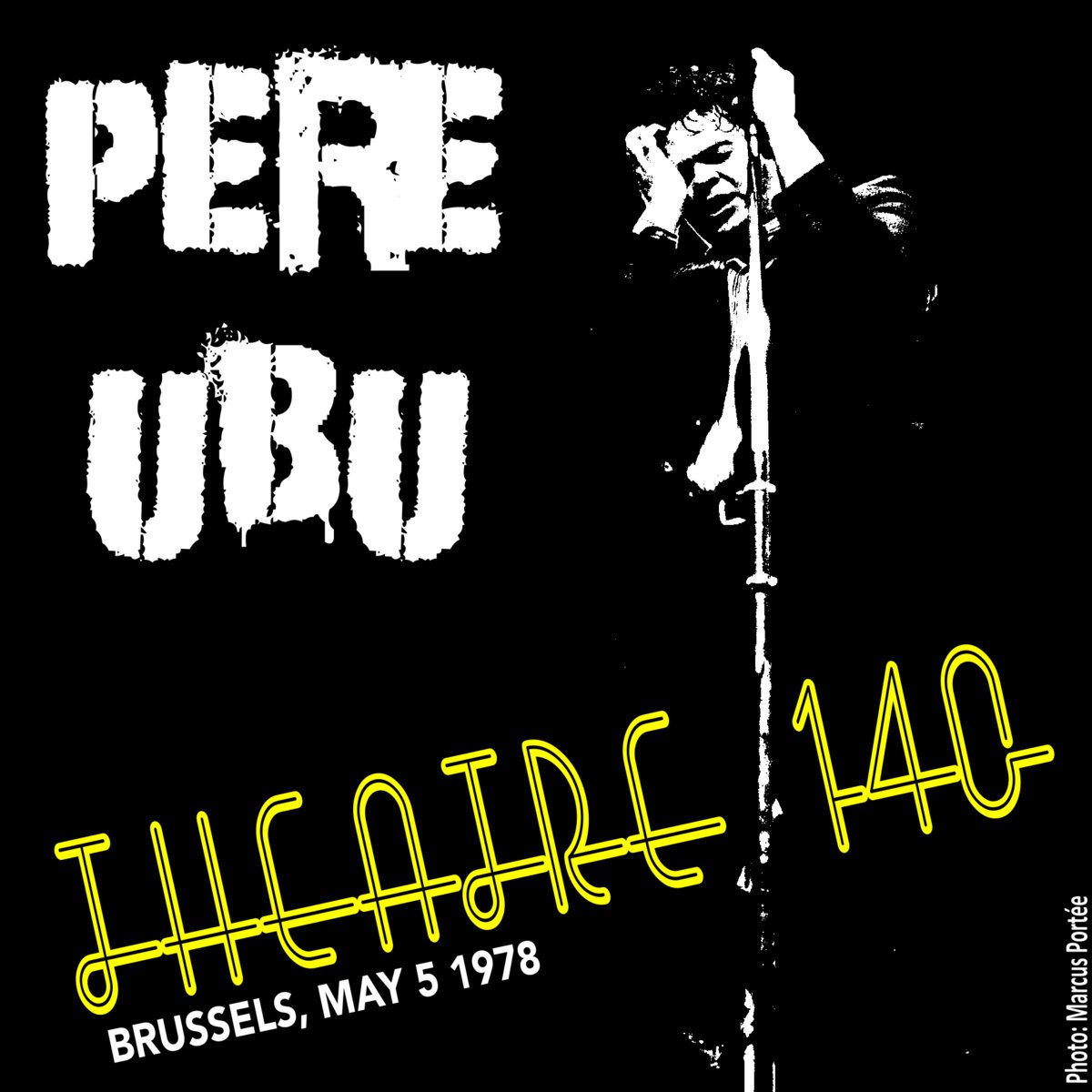
David Thomas died on 23 April 2025 in Brighton, of complications from kidney disease, aged seventy-one. Almost a year on, the record that keeps resurfacing is not one of the studio albums but a tape of a single gig: Théâtre 140 in Brussels, 5 May 1978, five nights into the short European tour that followed the release of The Modern Dance.
Pere Ubu had formed in Cleveland in 1975, out of the wreckage of Rocket From the Tombs, the proto-punk band Thomas and guitarist Peter Laughner had run around the city the year before. The new group's first single, "30 Seconds Over Tokyo" backed with "Heart of Darkness", came out on their own Hearpen label that December. Laughner left within months, drinking heavily, and died in June 1977, aged twenty-four; the band Thomas kept building around the hole he left had, by the time they reached Brussels, already become something else entirely.
Thomas never once let anyone call it punk.
He preferred "avant-garage", a word built, like the band's music, from parts that shouldn't fit together: doo-wop changes, musique concrète, the Stooges' physical menace and the Beach Boys' vocal sweetness, run through Allen Ravenstine's scavenged EML synthesiser until the seams showed on purpose. The Modern Dance, released that February on the newly renamed Blank label, was reviewed like a landmark and sold like a rumour. In Brussels, five strong and battle-hardened — Tom Herman on guitar, Tony Maimone on bass, Scott Krauss on drums — the band play eight of the album's songs and one, "My Dark Ages", that wouldn't turn up on a record until a single later that year.
What the tape catches that the studio albums can't is how physical the whole thing was live: Thomas doubling on musette and percussion, hollering over Ravenstine's tape loops like a man arguing with his own household appliances, while Herman, Maimone and Krauss hold a groove steady enough that the noise around it never quite tips into chaos. It's the sound of American art rock working out, in real time, that highbrow ideas travel further dressed in the plainest possible language — the trick this band never really abandoned, on stage or off, for the rest of its life.