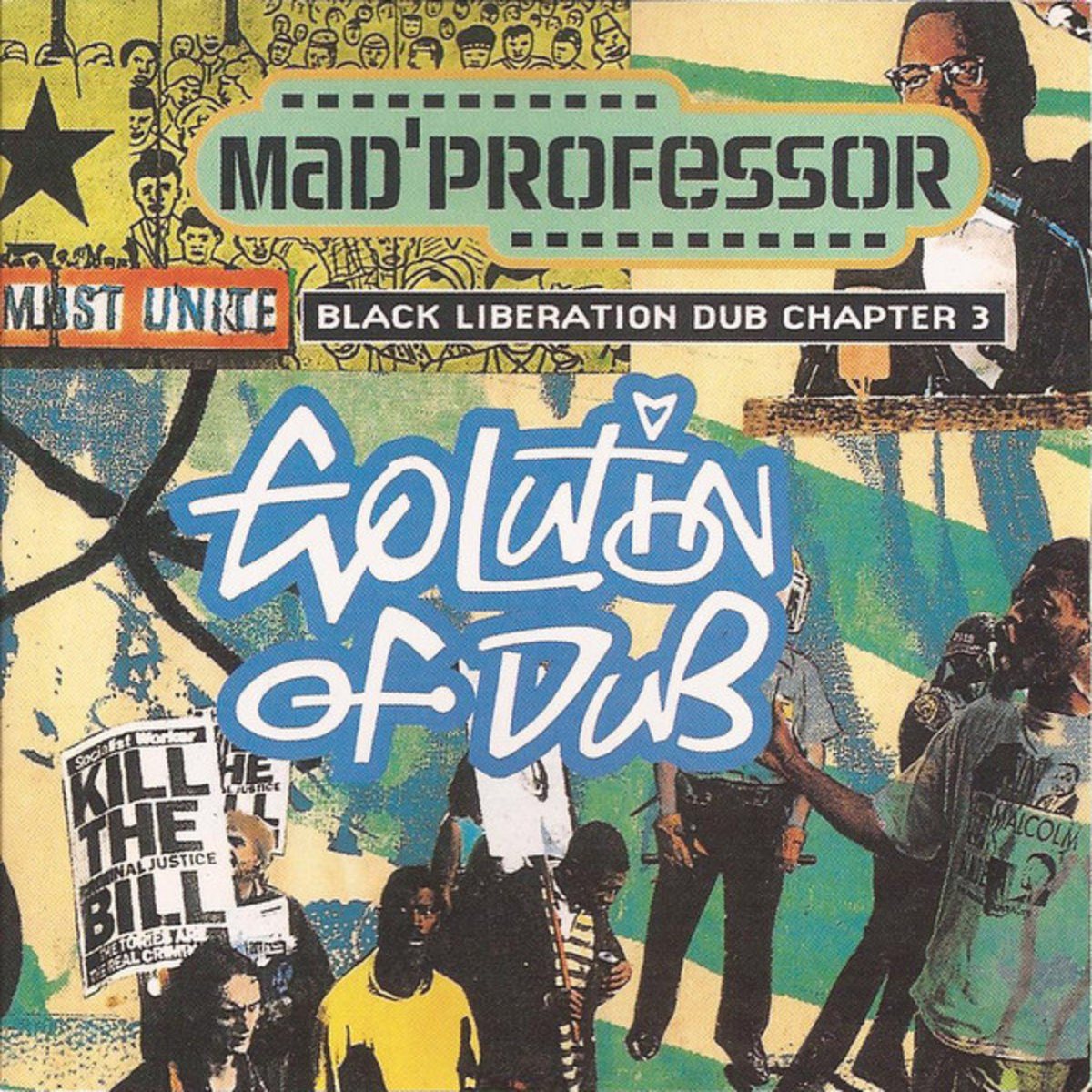
Somewhere on the third instalment of Neil Fraser's Black Liberation Dub series, the drums drop out and Louis Farrakhan's voice fills the space instead.
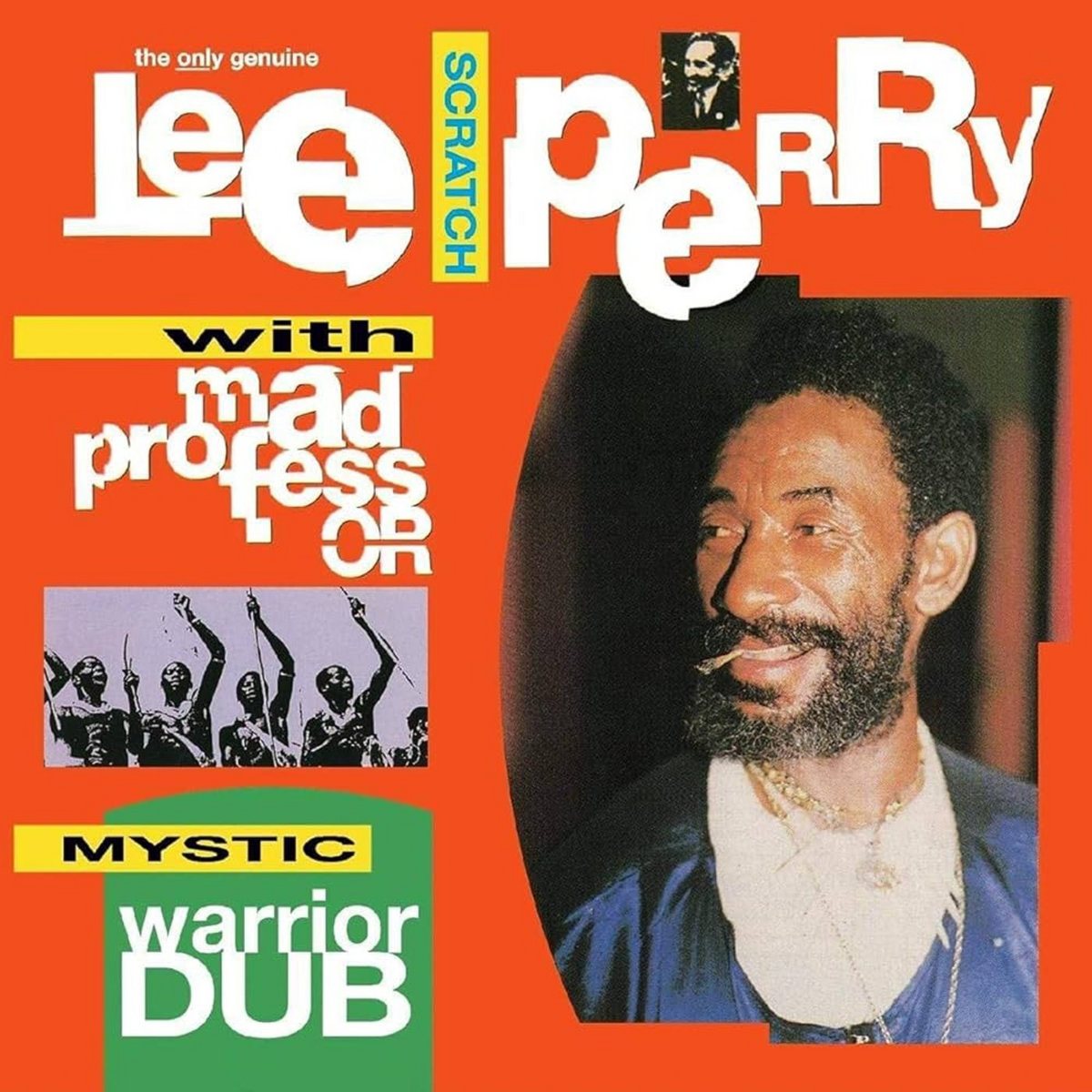
That was not an accident, and by 1996 it was not even an unusual move for Fraser, who records as Mad Professor. He had spent the mid-Nineties building a numbered sequence of albums under the umbrella title The Evolution of Dub, and within it a smaller, more pointed strand called Black Liberation Dub, splicing speeches and spoken-word fragments into the same heavyweight, electronically sharpened dub he had been refining at Ariwa since the late Seventies. "That was more of a Black awareness thing," he has said, "which was very much where I was at that time."
Chapter 3, released on Ariwa that year, opens with a heavy new cut of the Kunta Kinte riddim, built originally in 1976 by the Revolutionaries, Channel One's house band, and carried into the Eighties as one of Jah Shaka's signature dubplates at his Phebes Club sessions in Stoke Newington. Fraser and Shaka had worked alongside each other for years by this point at Ariwa, two of British sound-system culture's more serious operators trading rhythms rather than competing for the same audience. Renaming his own cut Kunte 96 was as much a dedication as a title.
The rest of the record moves between registers that shouldn't sit together as easily as they do. Cultural Explosion and Gringo Dread carry the same militant charge as the opening; Kathmandu Dub and Cosmic Ray drift into the more exploratory, almost ambient territory Fraser had been edging toward since his Dub Me Crazy series a decade earlier. Horace Andy and Kofi supply the vocal cuts, Lee Perry's voice turns up again in spoken fragments, and a house band that by now included the drummer Fluxy alongside Ariwa regular Black Steel on guitar holds the heavier material together without losing the low-end clarity that had always set Ariwa's dub apart from its rivals'.
Of the four numbered Black Liberation Dub chapters, Chapter 3 is the one most often singled out, not for any single track but for how evenly it balances the two halves of Fraser's project: dub as sound-system weapon, and dub as a way of putting a political voice in the mix without saying a word himself.