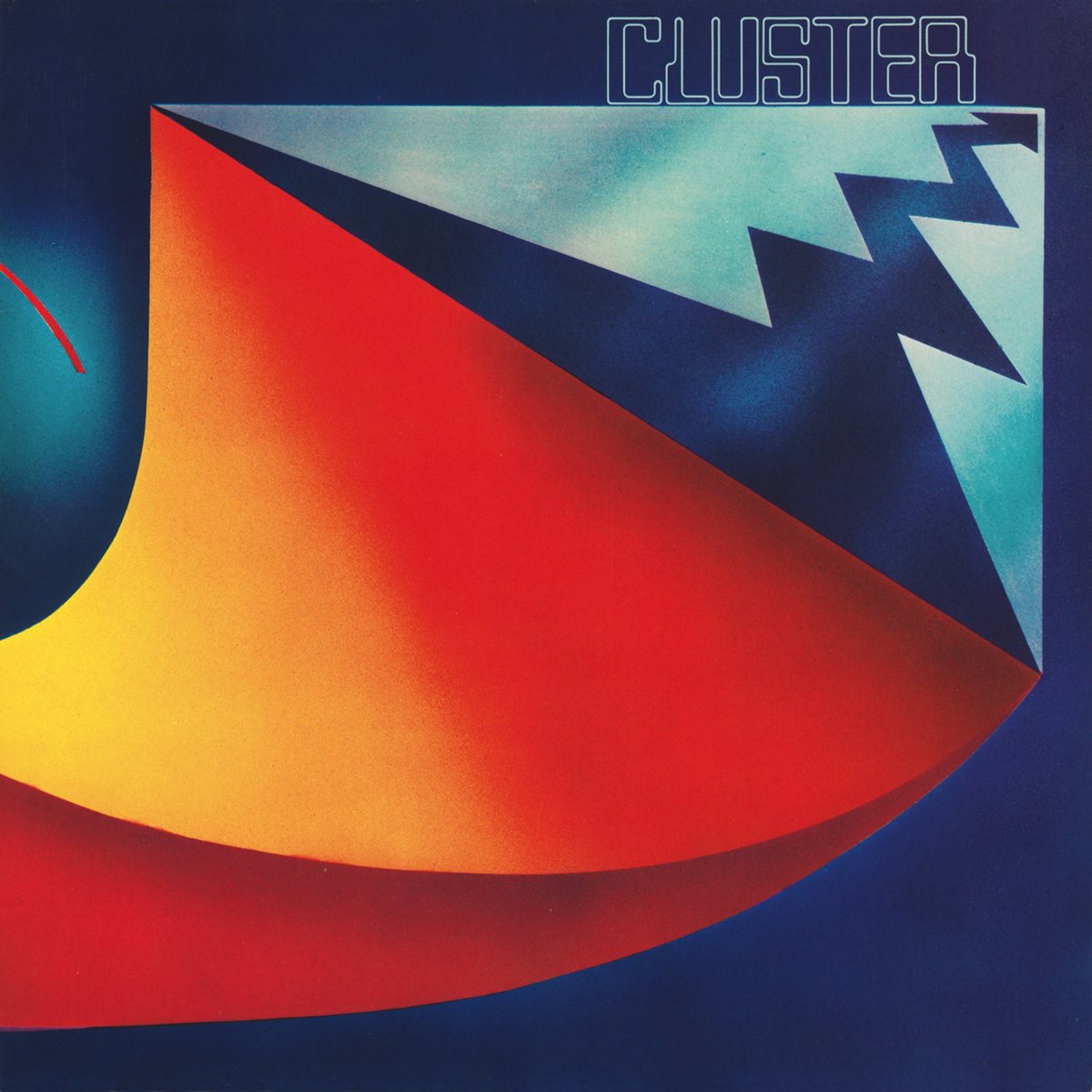
Cluster 71 sounds as though somebody opened a wall and recorded the current running through it. There are pulses, shrieks, long electrical shadows and sudden pockets of space, but almost none of the reassuring furniture of a rock record. Melody is incidental. A beat is optional. Electricity itself appears to be the lead instrument.
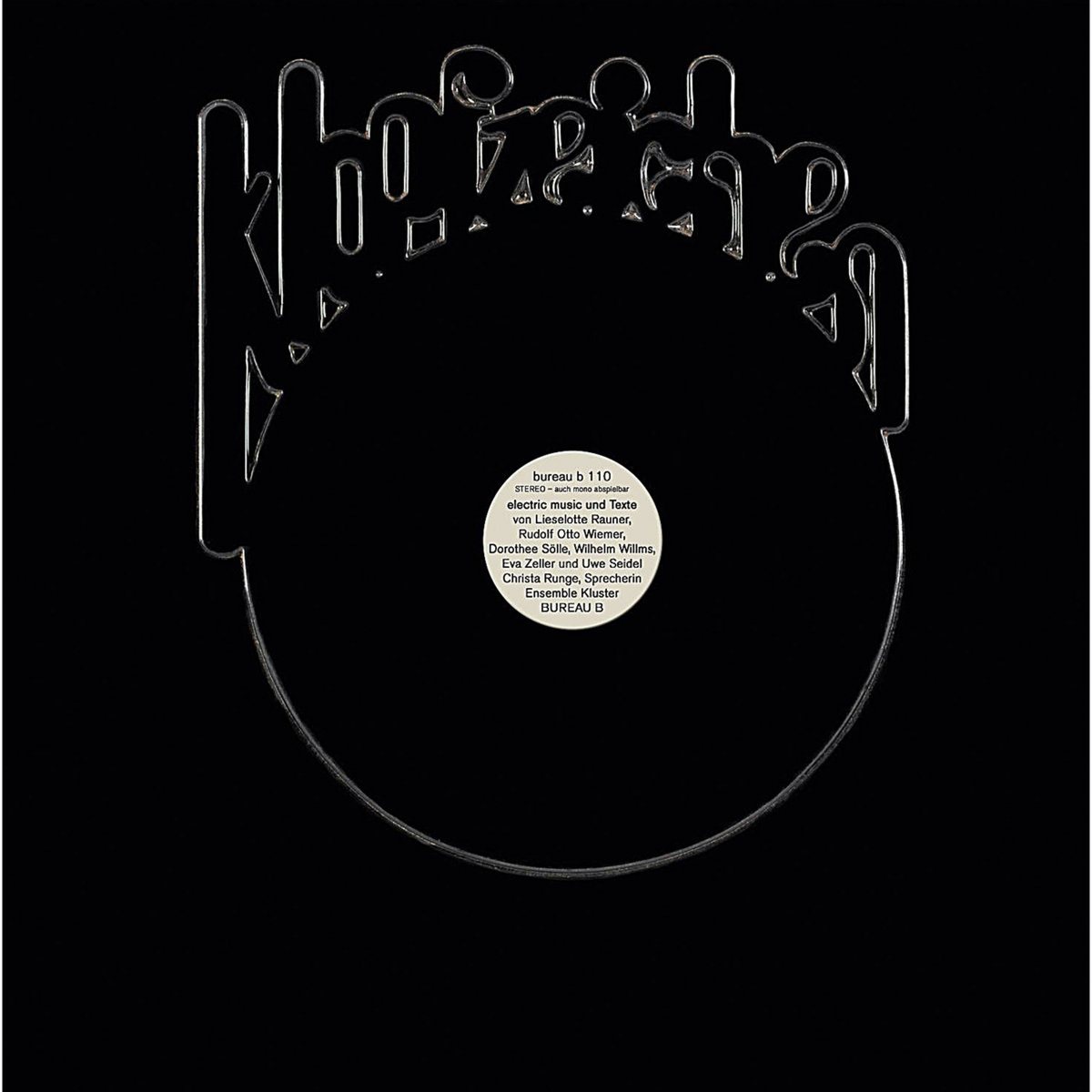
By 1971, Conrad Schnitzler had left Kluster, leaving Hans-Joachim Roedelius and Dieter Moebius to continue under a subtly altered name: Cluster. Conny Plank, already their engineer, became an essential collaborator in defining the duo’s recorded sound. The first Cluster album was simply titled Cluster; the familiar 71 was attached later to distinguish it in the catalogue.
Its three pieces are identified by durations: “7:42”, “15:43” and the side-long “21:32”. That numerical plainness fits music that avoids telling the listener what an event is supposed to mean. Instead, Moebius and Roedelius work with organ, cello, slide guitar, sound generators, amplification and effects, pushing recognisable sources towards abstraction.
No synthesisers are required.
That detail matters because the album is frequently heard as an early landmark of electronic music, yet much of its character comes from ordinary objects and instruments being electronically transformed. Plank’s engineering turns feedback and resonance into compositional tools. A tone can arrive as a hard point, bloom into distortion, then recede into a cavern of echo. The studio does not document the performance; it participates in it.
“15:43” makes the method particularly vivid. Repeated pulses appear to establish a structure, only for the surrounding sound to stretch it out of shape. On “21:32”, longer decays and guitar-like bends make the stereo field feel enormous, even while the material remains austere. Cluster create scale without orchestration.
The record sits at a hinge between the harsher Kluster trio and the more melodic music Moebius and Roedelius develop later in the decade. But hearing it merely as a transitional work misses its completeness. Its refusal of conventional rhythm, harmony and instrumental identity is the composition.
What makes Cluster 71 compelling in 2026 is its lack of technological awe. Machines are not presented as futuristic objects. They are simply things to misuse, overload and route back into themselves.
The future, on this record, sounds handmade.