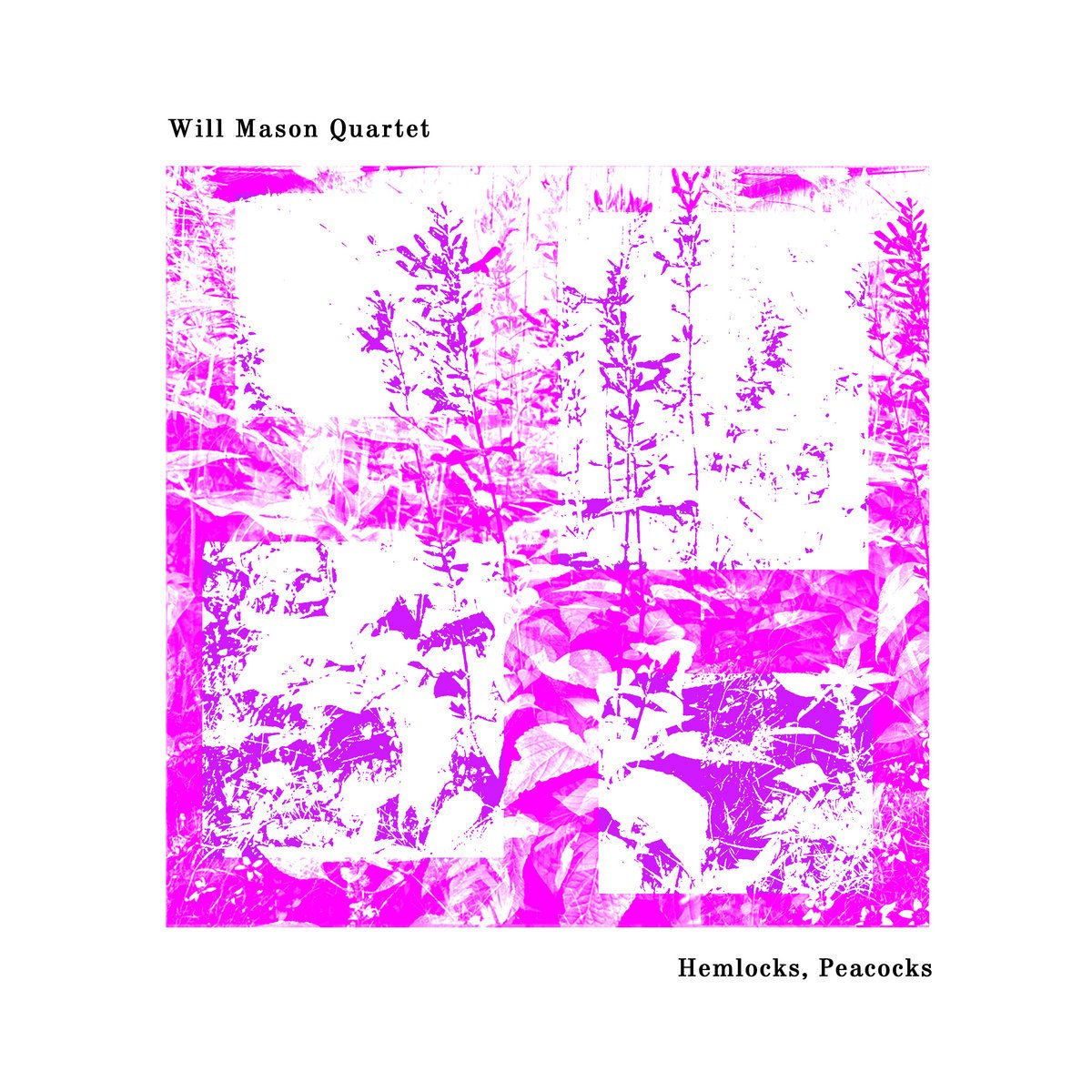
Will Mason wrote much of Hemlocks, Peacocks by playing to an empty room. Before he had a band, he had a building: Cole Memorial Chapel in Norton, Massachusetts, whose reverb he treated as a compositional partner, improvising there on a keyboard retuned to La Monte Young's system from The Well-Tuned Piano, expanded from twelve pitch classes to twenty-four.
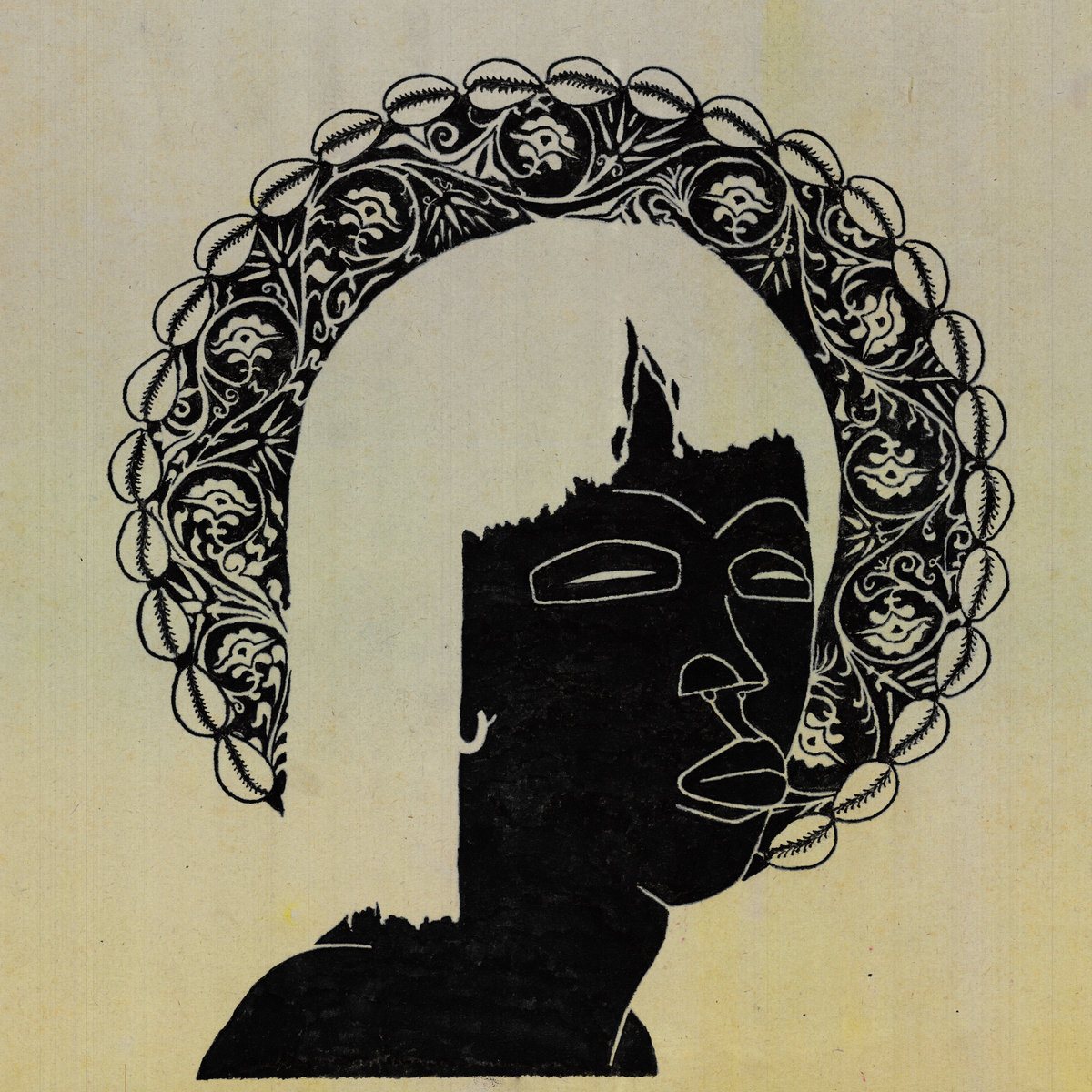
The record was taped in that same chapel in May 2024 and released on 10 January 2025 through New Focus Recordings, with Mason on drums, Anna Webber on tenor saxophone, Daniel Fisher-Lochhead on alto and deVon Russell Gray on two keyboards tuned a fraction apart — one rooted on C, one at 436Hz — so that just-intonation harmonies could open up between instruments rather than within one.
The room does half the composing.
Opening track 'Hemlocks' leans on exactly that: the chapel's natural sustain is long enough to blur the difference between a note's timbral shading and a fully formed, trilled pitch a quarter-step away. It's a disorienting, gorgeous effect, closer to church acoustics folding back on themselves than to any jazz record's usual sense of room. Gray's keyboards supply a pale, hovering backdrop; Webber and Fisher-Lochhead's saxophones move through it in close, unsettled harmony; Mason's drums are the only element that behaves like weather, pushing the music from near-silence to clamour and back.
The album takes its title and much of its imagery from outside music — Joan Mitchell's 1956 painting Hemlock and Wallace Stevens's 1916 poem 'Domination of Black' both stand behind its concerns with repetition and stillness. At its centre, 'Hymn' strips the group back to Mason and Gray alone, borrowing the plain, four-square shapes of sacred harp singing and making them stranger through tuning rather than through gesture.
Mason teaches composition and electronic music at Skidmore College, where he directs the college's recording studio, and holds a PhD in music theory from Columbia; he has studied with George Lewis and the composer Georg Friedrich Haas, whose own microtonal work shares Mason's interest in tuning as atmosphere rather than puzzle. That distinction matters to him. "I'm less interested in exploring tuning systems for their own sake," he has said, "than creating spaces that will encourage performers to play and improvise in ways they might not otherwise." Hemlocks, Peacocks is the sound of a room built to make that argument for him.