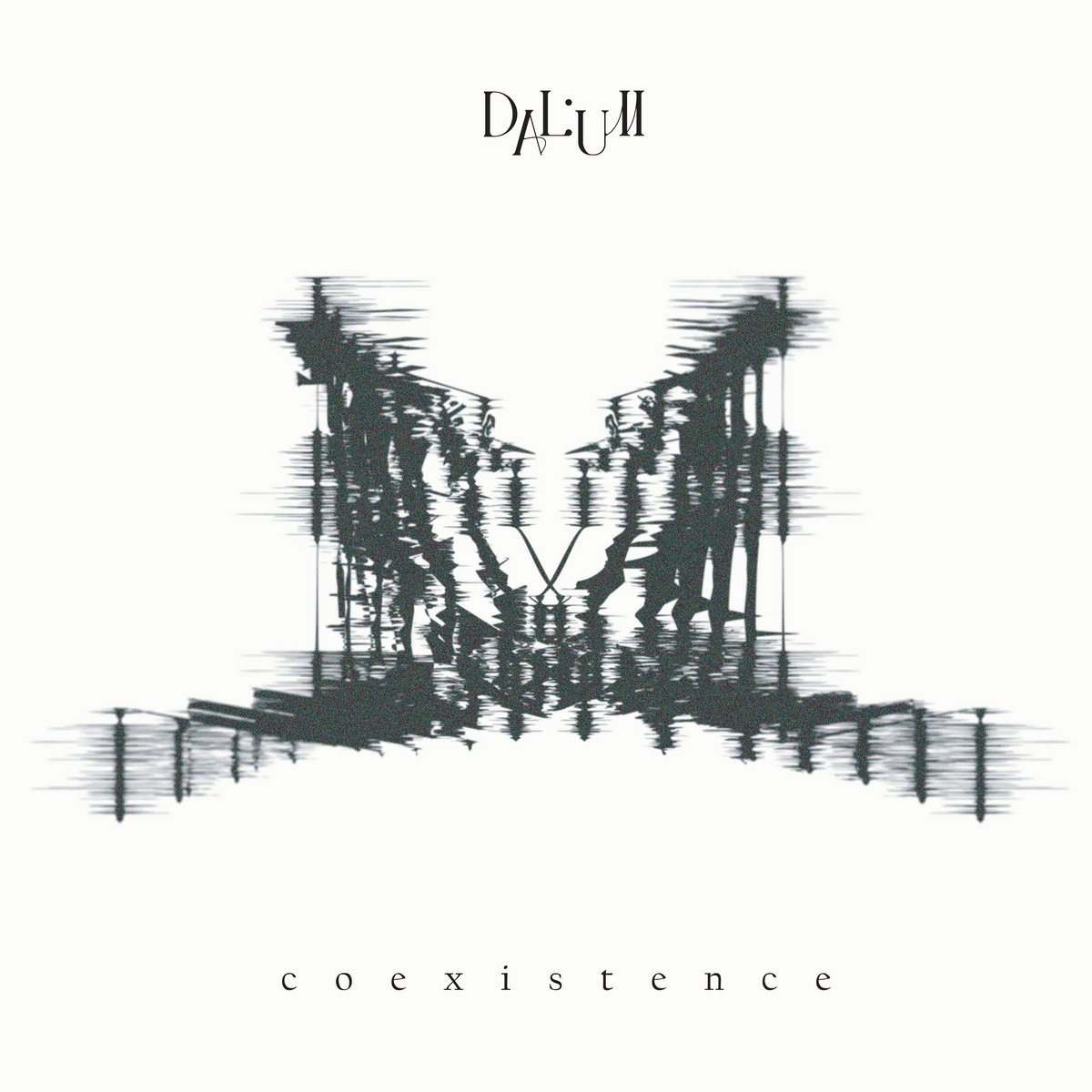
Ha Suyean and Hwang Hyeyoung met years before they had a name for what they do together, sitting side by side in Seoul's Youth Traditional Music Orchestra, the ensemble Hwang now directs. That apprenticeship in gugak, the formal court and folk repertoire of Korea, gave them technique. It did not give them Dal:um, the duo they formed in 2018 to see what two zithers could do once nobody was asking them to sound traditional.
The instruments are not neutral. Hwang plays the geomungo, a six-string zither struck with a short bamboo stick, its lowest strings capable of a bowed, resinous growl. Ha plays the gayageum, twelve silk strings plucked with bare fingers, brighter and quicker to decay. Where court ensembles used that contrast for ornament, Dal:um use it for structure, letting the geomungo's gravity anchor long tones while the gayageum picks out melody above it.
It is a pairing that owes as much to Philip Glass and Max Richter as to anything taught at the National Gugak Center.
Coexistence, their second album, released on Glitterbeat's tak:til imprint in October 2024, sharpens that instinct. Composed entirely by the pair, it strips arrangement down to what two instruments can generate unaided: no strings section, no electronics, no vocal to soften the austerity. Tracks like 'Dot' and 'Cracking' build through repetition rather than melody, the geomungo's low drone accumulating an intensity that recalls a post-rock band's crescendo rather than a folk duet. 'Poison and Antidote' and 'In the Deep' lean further into abstraction, closer to chamber minimalism than to anything filed under world music.
The record grew out of two years of pandemic isolation and the landscapes Dal:um encountered touring Europe, an odd but coherent pairing of themes: coexistence with nature, and with whatever is left of a life after confinement. It followed Similar and Different, their 2021 debut on the same label, which had already earned them a nomination at the Songlines Music Awards in the Asia & Pacific category.
By the time Coexistence appeared, Dal:um had played more than 65 cities, from a debut at Southbank Centre in London to Roskilde and SXSW, grouped alongside Park Jiha and Jambinai as leaders of a loose cohort reintroducing Korean instruments to rooms that had never associated them with the avant-garde. Reviews in The Guardian and Uncut followed, treating two zithers as a legitimate alternative to a full ensemble rather than a novelty.
What holds the project together is restraint. Dal:um could easily lean on the exoticism of instruments most Western listeners have never seen played; instead they let the geomungo and gayageum argue their case as instruments first, tradition second. The unfamiliar timbre gets you in the door. The compositions, spare and patient, are what keep you there.