Olga Anna Markowska trained as a cellist at the State Music School in Łomża before she ever touched a synthesiser. She then went and studied Intermedia at the Academy of Fine Arts in Gdańsk instead of a conservatory, which explains why her music behaves less like composition and more like something assembled: layered, revised, left to sit.
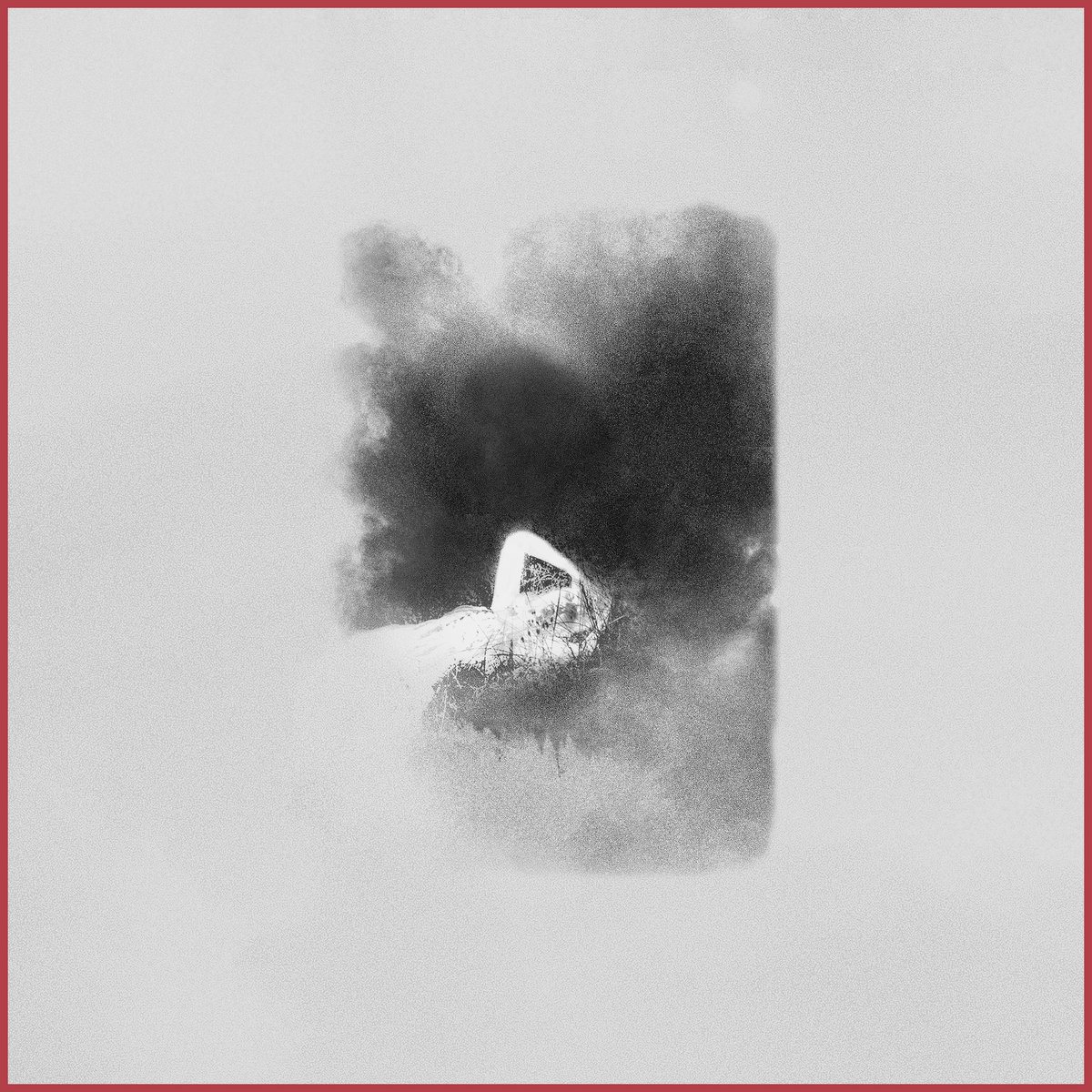
ISKRA, her debut album for Miasmah, the Berlin-based label founded by Norwegian musician Erik K. Skodvin, took five years to finish.
She began it in 2017 and didn't stop until 2022, working in cello, sparse piano, zither and occasional electronics, with her own voice used wordlessly, as texture rather than lyric. The record's ten tracks run in a straight line from "Dawn" to "Dusk", tracing a single day's light without ever announcing the conceit.
The material comes from somewhere specific. "My relationship with nature about which I write my music was shaped by the Białowieża Forest," Markowska has said. "I spent so much time there visiting my grandparents." That forest, one of the last major primeval woodlands left in lowland Europe, gives ISKRA its emotional register: not pastoral, more sepia, the sound of a place remembered rather than described. "Train Ride Home", built almost entirely around zither, is the clearest expression of it, a seven-minute piece that moves like a memory replaying rather than a journey happening in real time.
Markowska arrived at ISKRA already fluent in this territory. Her 2024 EP Thrills, released on Kanu Kanu Recordings, worked through similar textures at a smaller scale, and she has spent the years around it moving between disciplines rather than staying inside music alone. She has made photographic and installation work exhibited at the Copenhagen Photo Festival and Gdańsk City Gallery, scored the 2024 documentary Koka for director Aliaksandr Tsymbaliuk, and worked alongside Stefan Wesołowski, Piotr Kaliński of Hatti Vatti, and kIRk's Olgierd Dokalski, as well as performing as one half of the duo Teufelsberg.
What separates ISKRA from the wider field of cello-and-electronics records currently doing the rounds is its patience.
Markowska doesn't build to anything. There's no swell held back for a climax, no drop dressed up as catharsis. The record trusts small movements, a bowed note left to decay, a zither figure repeated until it stops sounding like an instrument and starts sounding like weather. It shares more with the layered tape-work of William Basinski or the hushed classicism of Jacaszek than with anything marketed as ambient pop, and it earns the comparison by refusing to hurry toward one.
Markowska has described ISKRA as both an ending and a beginning, the closing of one chapter and the start of whatever comes after it. On the evidence of this record, whatever comes next will still be listening closely to a forest in eastern Poland.