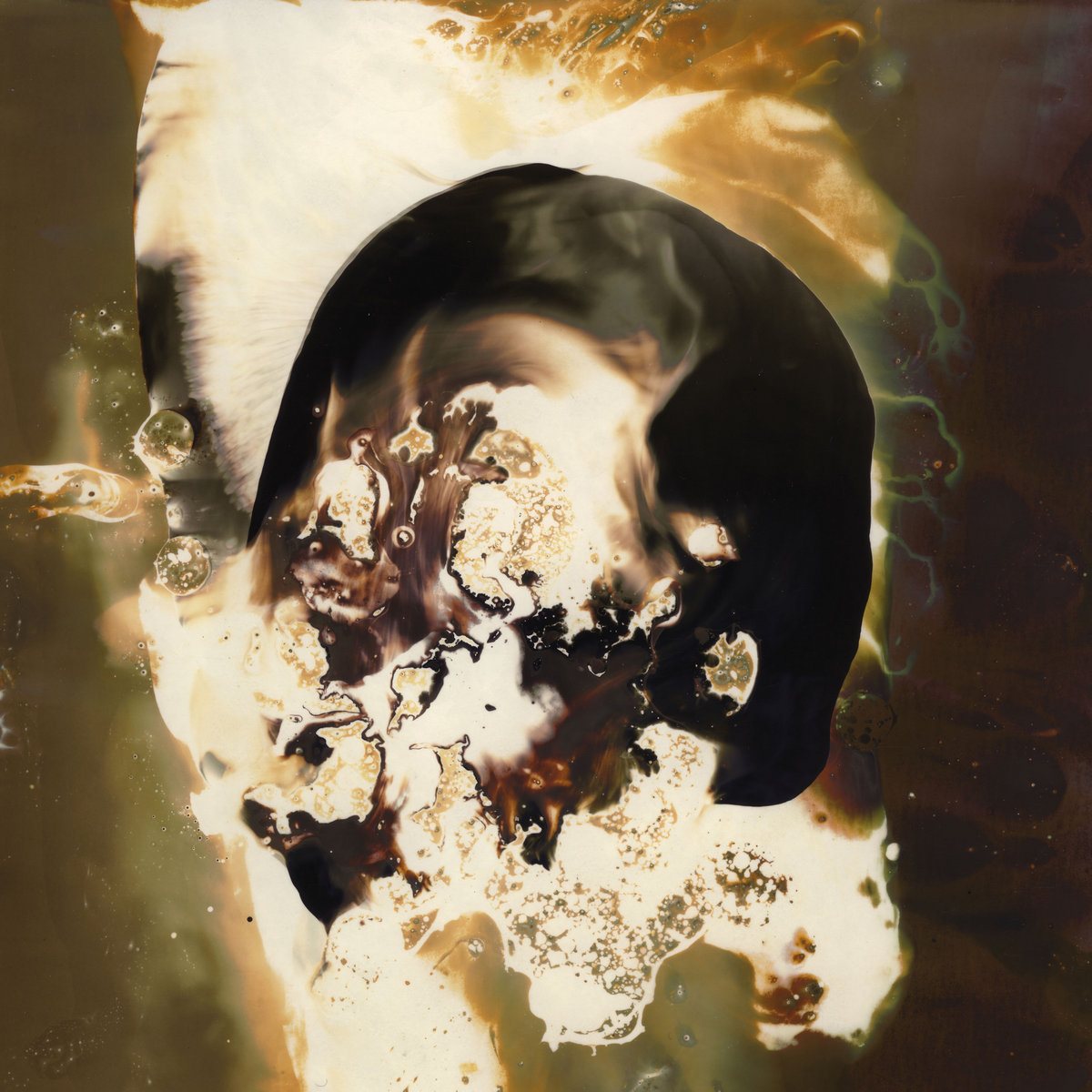
Christine Ott can make a single electronic instrument sound like a room full of weather. On Chimères (pour ondes Martenot), the Strasbourg composer removes the usual supporting cast and builds the entire record from the ondes Martenot: eight pieces in which a near-century-old invention sighs, glows, shudders and occasionally seems to lose its physical outline.
That choice is more radical than the instrument's eerie reputation suggests. Invented by Maurice Martenot and introduced in 1928, the ondes is often reduced to one recognisable effect: the disembodied glide. Ott knows its mechanics and repertoire from the inside. She trained with Jeanne Loriod at the Conservatoire National Supérieur de Musique et de Danse de Paris after classical studies in Strasbourg, and has performed music by composers including Olivier Messiaen, Arthur Honegger and Edgard Varèse.
Her career, though, has consistently carried the instrument beyond the concert-hall category in which it might have remained. Ott has worked with Yann Tiersen, Tindersticks and Radiohead, while her own compositions move between contemporary classical writing, improvisation, electronics and film. That porous history is audible throughout Chimères.
The album, released by Nahal Recordings in May 2020, was composed and performed by Ott on a Dierstein ondes Martenot. Frédéric D. Oberland and Paul Régimbeau handled effects and live processing, then edited, arranged and produced the material. The distinction matters: this is not a pristine demonstration of a rare keyboard. Its source sound is repeatedly multiplied, rubbed against itself and pushed through contemporary electronic practice.
“Comma” opens with restraint, allowing the ondes' vocal quality to hang in space. “Darkstar” and “Sirius” make the record's astronomical vocabulary feel less illustrative than structural: tones orbit, separate and return. Across “Todeslied”, “Mariposas”, “Pulsar”, “Eclipse” and “Burning”, Ott shifts between fine melodic lines and denser masses where it becomes difficult to tell what is performance and what is processing.
One instrument, but never one voice.
That is the useful contradiction in Ott's work. Her technique is grounded in a specialised French classical tradition, yet she refuses the obligation to preserve the ondes Martenot behind glass. Chimères instead connects the instrument's early electronic modernism to ambient music, experimental production and the spatial imagination of cinema.
The record's title is apt. These are hybrid forms, assembled from something historical but not nostalgic. In Ott's hands, the ondes Martenot does not merely survive its century. It keeps changing shape.