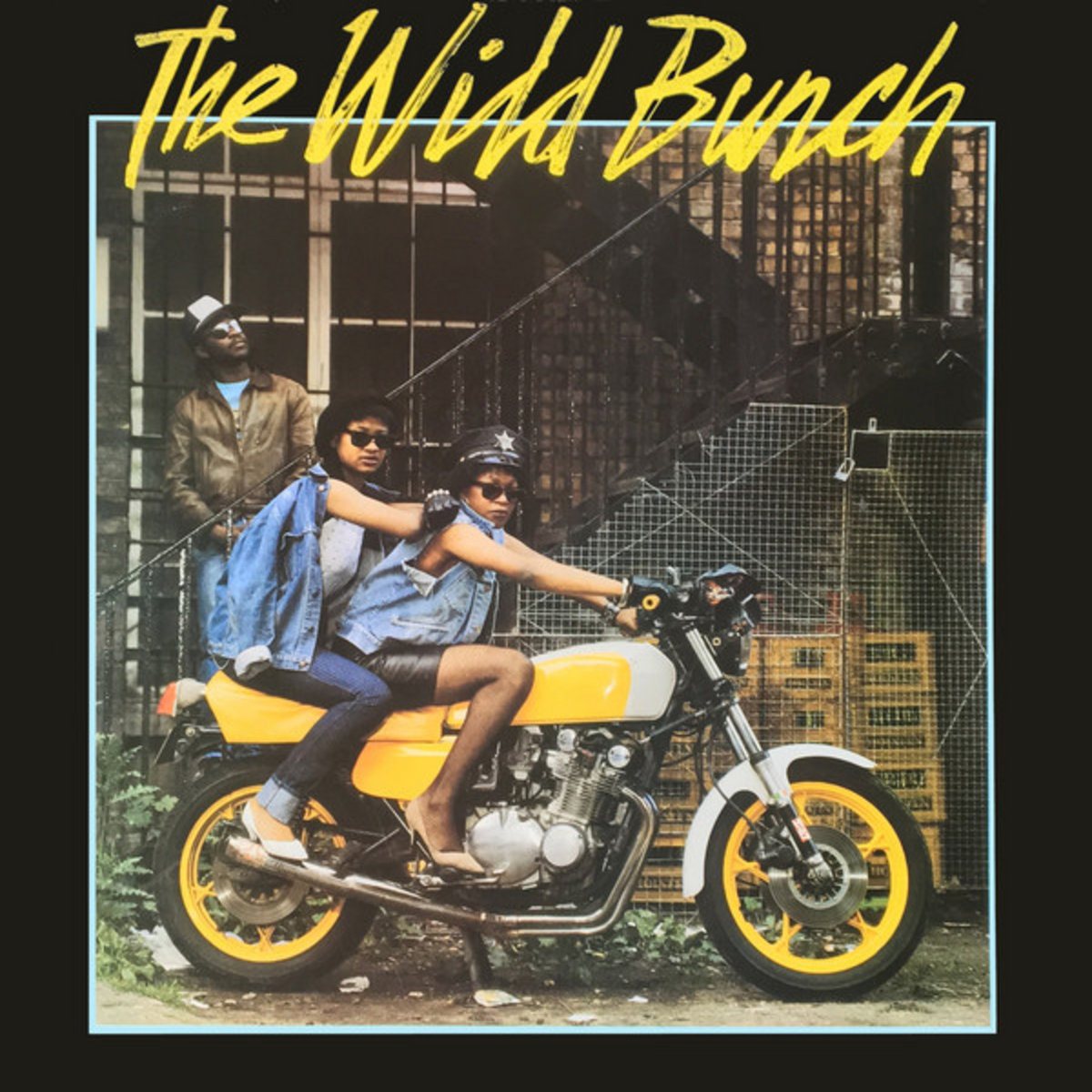
Ariwa's paperwork for The Wild Bunch reads more like a cast list than a band roster.
Sandra Cross takes the lead. The singers of the lovers' rock group Sister Love fill out the harmonies. Behind them sits the Sane Inmates, the house band Neil Fraser kept on call at his studio in Peckham for whatever the day's booking required. The album that resulted, released on Ariwa in 1984 and credited simply to The Wild Bunch, was the only record that particular grouping ever made under that name.
There is a reason Fraser put the pairing together. He has long argued that the distance between lovers' rock and roots reggae was smaller than the record shops suggested, that a singer built for romantic ballads could turn just as convincingly to something harder given the right band behind her. The Wild Bunch is that argument made audible: Cross's voice, shaped by years of singing over gentler, Studio One-derived tempos, set against a rhythm section built for the heavier, bass-forward pulse Ariwa had made its name on through the early Eighties.
The credits tell their own story. Bernard Cumberbatch, Michael Gayle and the bassist known only as Preacher share the bottom end; Terry Crooks, Billy Cross and Drumtan Ward split the drum stool; among the guitarists is one credited simply as Black Steel, a nom de studio typical of Ariwa's session sheets, where players went by nickname as often as by name. Garnett Cross, Sandra's brother and better known around the studio as Sgt Pepper, plays keys, a reminder of how much of Ariwa's output in this period runs through one extended family of south London musicians.
Eight tracks, split evenly across two sides. Mr President Man and Creation open with the directness their titles promise; Freedom Fighters and Indestructible Woman push further into roots territory; Love And Harmony and Runaround pull back toward the lovers' rock register Cross had already made her name in, in that same room.
None of it was built for chart attention. Ariwa in 1984 was still a working studio before it was anything like a hit factory, mixing and pressing for a south London audience that bought its records over the counter of the shop attached to the building. The Wild Bunch is a document of that arrangement: a producer, a house band and a willing singer treating genre as something to be crossed rather than defended, under a name that lasted for one album and was never used again.