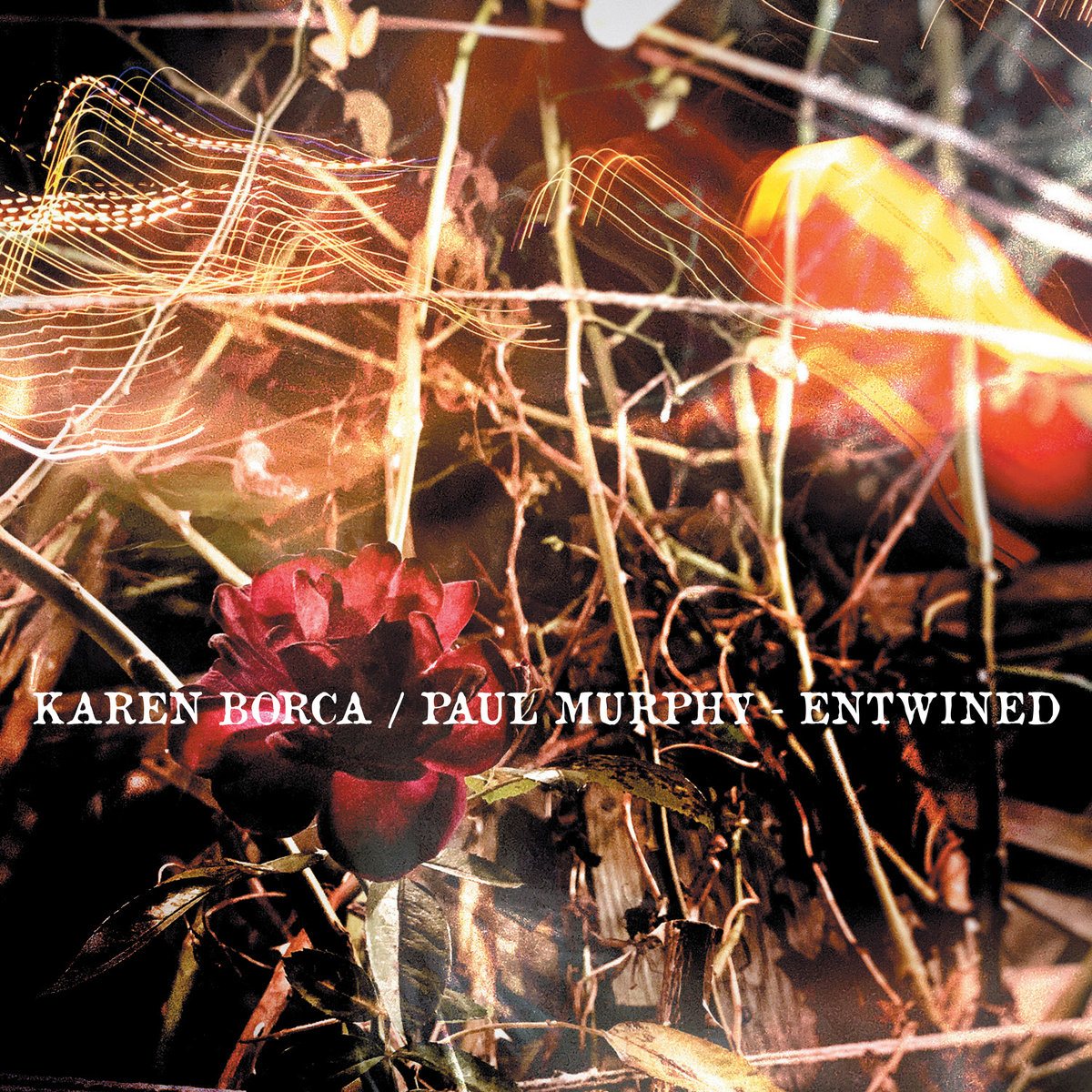
Karen Borca and Paul Murphy played together in Jimmy Lyons's band for the better part of a decade. It took until November 2024 for anyone to record just the two of them.
Murphy came up in Worcester, Massachusetts, born there in January 1949, picking up drums early enough that he later described himself as having absorbed things directly from Gene Krupa and Louis Bellson. At seventeen, a chance meeting changed his direction: sitting in a parked car, Billy Taylor — Duke Ellington's bassist — played him an eight-track tape of Cecil Taylor, Jimmy Lyons and Sunny Murray, and told him he needed to be on the West Coast. Murphy went, built a name for himself as a bandleader in San Francisco, where he met both Cecil Taylor and Jimmy Lyons in person, then moved on to New York, ran the loft club Ali's Alley for a stretch, and settled into the same downtown rooms where Borca was playing alongside Lyons.
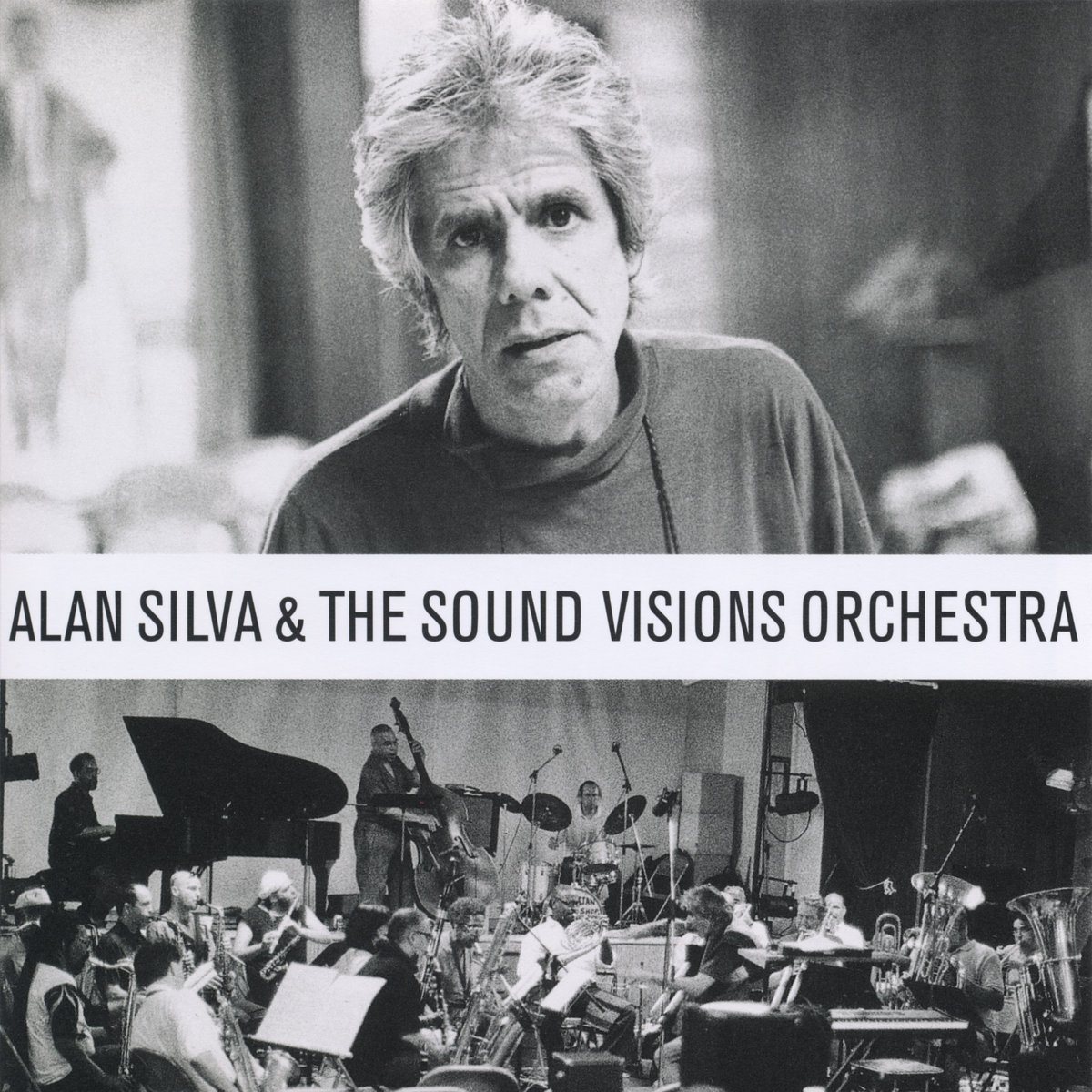
The two of them stayed in Lyons's band together until his death in 1986, heard side by side on Give It Up and the rest of his Black Saint records. Afterwards Murphy co-founded Trio Hurricane with saxophonist Glenn Spearman and bassist William Parker, and built a long-running duo partnership with pianist Larry Willis that stretched across several albums, among them Excursions and Exposé. Borca kept working the same New York avant-garde circuit, with Cecil Taylor, with Bill Dixon, with Alan Silva.
But the two of them never sat down together for a studio session of their own.
Entwined, out on Relative Pitch Records, finally does that: seven duets, drums and bassoon and nothing else. Several of the pieces, including the title track “Good News Blues” and “Cambiar”, pull from Borca's own book of compositions, heard here stripped down to their bones rather than buried inside a larger ensemble.
There's a real lineage of saxophone-and-drums duo records — Coltrane and Rashied Ali on Interstellar Space, Frank Lowe and Ali again on Duo Exchange, Anthony Braxton and Max Roach on Birth and Rebirth, David Murray and Milford Graves more recently on Real Deal. Nobody had tried it with a bassoon, an instrument built for sitting inside an orchestra section, not for carrying a track alone against a full kit.
Murphy doesn't fill that space so much as move around it, brushes and mallets shifting under her lines the way weather shifts rather than repeats.
Borca is seventy-six now, and by her own account still a compulsive practiser who builds her own reeds rather than buy them, the same discipline she says she learned watching Lyons work. That a record this direct took fifty years to happen says less about her readiness than about how long it takes an instrument nobody expected to lead a jazz session to get the chance.